Radio Salone

Travel Through Music

Post Top Ad

abril 25, 2022

Introduccion a la Musica Popular Cubana - 2000


Collection made by Virgin Spain (2000) in two volumes, in which the genres, the best performers and the emblematic songs of Cuban music of the 20th century are shown.


Tracks list:


Vol. I

01. Familia Valera-Miranda - Nengón para tí

02. Grupo Santiago de Cuba - Punto y zapateo

03. Orquesta Típica Odilio Urfé - San Pascual Bailón

04. Charanga Típica de Conciertos - La Revoltosa

05. Barbarito Díez con Orq. Antonio Mª Romeu - La Mora

06. Órgano de Manzanillo - Son de Manzanillo

07. Grupo Changüi de Guantánamo - María Guevara

08. Tumba Ntra. Sra. de la Caridad - Tumba francesa

09. Merceditas Valdés - Toque y rezo Lucumí

10. José Oriol Y Grupo Folklóriko - Toque Congo

11. Orq. Típica de Santiago de Cuba - Carabalí Isuama

12. Coro Folklórico - Marcha Abakuá

13. Comparsa El Alacrán - Tumbando caña

14. Orquesta Folklórica - Rompiendo la rutina

15. Orquesta Gonzalo Roig - Quiéreme mucho

16. Trío Matamoros - Mariposita de primavera

17. Dúo Cubano - María Cristina

18. Septeto Nacional - Lejana campiña

19. Conjunto de Arsenio Rodríguez - Mamí me gustó


Vol. II

01. Los Guaracheros de Oriente - Pregón de los chicharrones

02. Dúo Hermanas Martí - Longina

03. Rita Montaner - El golpe de Bibijagua

04. Esther Borja - Estudiantina

05. Joseíto Fernández - Canta el piano

06. Orquesta América - La engañadora

07. Orquesta Anacaona - Mambo mambí

08. Carlos Embale y Grupo Folklórico - La última rumba

09. Bola de Nieve - Chivo que rompe Tambo

10. Radeunda Lima - Mi tierra es así

11. Orquesta Aragón - Caserita Villareña

12. Muñequitos de Matanzas - Los Muñequitos

13. Parranda Espirituana - Tonada palmarito

14. Elena Burke - Canción de un festival

15. Comparsa Santiaguera - Orille oriental

16. Roberto Sánchez y la Gloria Matancera - Dos Gardenias

17. Benny Moré y su Banda Gigante - Qué bueno baila usted

18. Grupo Raison - Sucu suqueando

19. Pedro Luis Ferrer - Como me gusta hablar español


abril 25, 2022

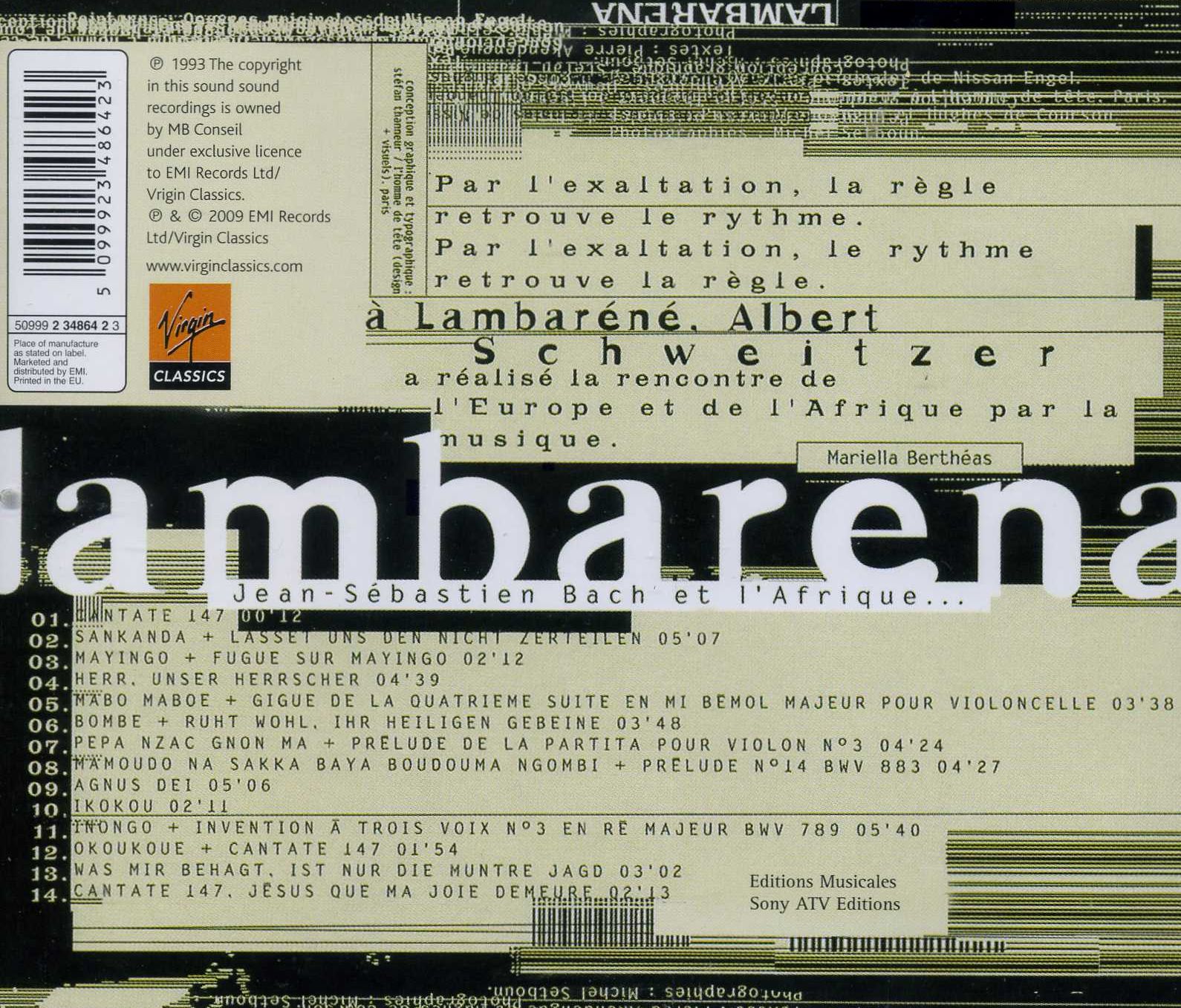
Hugues De Courson - Lambarena, Bach to Africa - 1995


The impulse behind this album, developed by Mariella Berthéas, was to create a tribute to Albert Schweitzer by bringing together the two musical traditions that are central to his life: the works of JS Bach and the musics of Gabon, where he dedicated his life to serving as a medical missionary in the city of Lambaréné. To call this a crossover album, however, would be to misrepresent it; this is not an intelligent synthesis of two disparate traditions. It is difficult to characterize the relationship between the two musical cultures. To say that the musics are "coordinated" falls short of the surprising spontaneity of the juxtapositions, but to say that they are "thrown together" suggests a randomness that underestimates the skill and artistry of the arrangers, Hughes de Courson and Pierre Akendengué. Bach's music and the musical traditions of Gabon co-exist without giving up their own integrity, and interact with varying degrees of obvious connection. The CD includes classically trained European musicians, 10 ensembles from Gabon, and several Argentine musicians, who worked together in the studio for many months to create the album. The most successful songs uncannily capture the underlying musical impulse common to the two traditions, and the result opens up new meanings, and sounds natural and organic. For example, it's amazing, on track 2, how well a traditional Gabonese song fits and overlaps with "Lasset uns nicht den Zerteilen," from the St. John Passion, and how they complement each other in their affirmation exuberant of life. On track 6, the simultaneous performance of a ritual that includes a pattern of clapping and ululating vocalizations and a chorus of the Passion according to Saint John is impressive. Not all efforts are equally successful; the chant at the end of the Agnus Dei of the Mass in B minor simply sounds tacked on. But when the mix works, as it normally does, the effect is revealing and transformative. The sound is intensely clean and very well differentiated, highlighting the wonderful strangeness of the mixture of traditions.

1 Cantate 147 0:13

2 Sankanda (traditionnel arr. P Akendengué) 5:70

3 Mayingo (traditionnel arr. P. Akendengue): Fugue sur Mayingo (T. Gubitsch) 2:12

4 Herr, Unser Herrscher 4:36

5 Mabo Maboe (traditionnel arr. P. Akendengué): Gigue de la Quatrième Suite en mi bémol majeur pour violoncelle 3:38

6 Bombé/Ruht Wohl Ihr Heiligen Gebeine 3:46

7 Pepa Nzac Gnon Ma (traditionnel arr. P. Akendengué): Prélude de la Partitia pour violon no3 4:23

8 Mamoudo Na Sakka Baya Boudouma Ngombi (traditionnel arr. P. Akendengué): Prélude No.14 BWV 883 4:28

9 Agnus Dei (Messe en si BWV 232 — arr. P. Akendengué) 5:60

10 Ikokou (traditionnel arr. P. Akendengué) 2:11

11 Inongo (traditionnel arr. P. Akendengué et H. de Courson): Invention à trois voix No3 en ré majeur BWV 789 5:40

12 Okoukoué (traditionnel arr. P. Akendengué et H. de Courson): Cantate 147 1:54

13 Was Mir Behagt, Ist Nur Die Muntre Jagd (Chorus "La Chasse" — J.S.Bach arr. P. Akendengué et H. de Courson) 3:30

14 Cantate 147 "Jesus que ma joie demeure" (J.S.Bach arr. P. Akendengué et H. Courson) 2:14


abril 23, 2022

Fatoumata Diawara - LIVE - 2012 - Mali


Born in the Ivory Coast to Malian parents, Diawara moved to France to pursue acting, appearing in Cheick Oumar Sissoko's 1999 feature film La Genèse, Dani Kouyaté's popular 2001 film Sia, le rêve du python, in the internationally renowned street theatre troupe Royal Deluxe, and played a leading role in the musical Kirikou et Karaba. 

She later took up the guitar and began composing her own material, writing songs that blend Wassalou traditions of Southern Mali with international influences. Noted for her distinct "sensuous voice," she has performed and recorded with Oumou Sangaré, AfroCubism, Dee Dee Bridgewater (on Red Earth: A Malian Journey), and the Orchestre Poly-Rythmo de Cotonou. 

Her new EP was released May 9, 2011 and her debut album Fatou with World Circuit Records was released in September 2011. 

I saw her concert live yesterday.  


abril 15, 2022

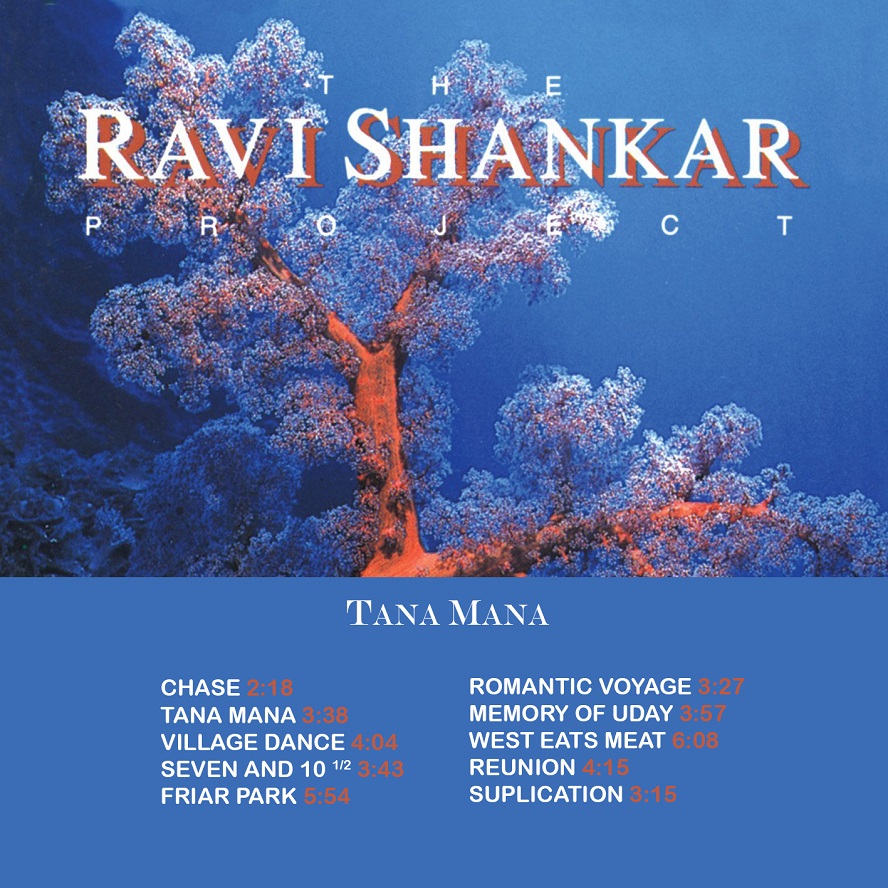
Ravi Shankar - Tana Mana - 1987


Published by Private Music in 1987, Tana Mana (which means "body and mind") is the work of Ravi Shankar that gave rise to the popularization of the term "World Music", since his proposal focuses on the fusion of Eastern and Western elements. tackling a new path in which Indian, jazz and electronic music are unified.


Precisely the term "World Music" has been, since then, paradoxical for understanding, or is it that not all music is of the world? The name was adopted in 1987 in an attempt to find a term that would reflect the globalizing spirit of the 1980s. The desire of the record companies to sell sided with certain musicians from the Southern Hemisphere and from the East who, based on their native folklore, not only explored audacious fusions with the West, but also sometimes achieved considerable success, maintaining the category of myths or teachers that they enjoyed in their respective countries. Youssou N'Dour, Ali Farka Touré, Ladysmith Black Mambazo or Nusrat Fateh Ali Khan are just some of the undeniably successful names. Peter Gabriel, Paul Simon or David Byrne are Western musicians who helped promote this label and certain artists of great interest, but for other illustrious artists such as Philip Glass there is no doubt that the Indian sitarist Ravi Shankar was key -even father- of that movement , years before its institution.

After decades of work and popularity in India and numerous trips around the world, Ravi Shankar met the Beatle George Harrison in 1966 and became his teacher (Harrison himself is a claim in Tana Mana, when he answered the call of his mentor and friend to play on the same zither and synthesizer). To make the leap to the general public, Ravi chose to make things easier, merging with other styles and instruments and shortening the duration of the songs, more in line with Western taste and radio broadcasting. Even so, despite not playing the music that the purists of his country demanded of him, this maestro achieved his goal of "not losing the Indianness of his music." Furthermore, with adaptations like this one, not without soul, Ravi took an important step to keep Indian classical music alive in the contemporary world, paving the way for other notable musicians, such as his own daughter Anoushka Shankar.

Shankar had great popularity in the US when the Beatles "discovered" him to the West, he settled in the United States and gave populous concerts, and was re-released for the general public thanks to the good eye of producer Peter Baumann for Private Music, where he published three records at the end of the 1980s, just when the aforementioned "World Music" label was beginning to be established: Tana Mana (1987), a wonderful concert in Moscow called Inside the Kremlin (1988), and the splendid and essential collaboration with Philip Glass Passages ( 1990).

In Tana Mana, Indian instrumentalists (including the vocalist Lakshmi Shankar or Shubho Shankar - son of the master, who died in 1992) merge with American names such as those of the producers (Peter Baumann and Frank Serafine) or those of Patrick O'Hearn ( on bass), Ray Cooper (Marimba), Al Cooper (guitar) or the aforementioned George Harrison. Tana Mana, composed by Ravi Shankar a year after suffering a heart attack, is a beautiful succession of singing pieces that go beyond continents and eras to abide by the universality of Indian music and make it known to the rest of the world, in its more affordable facet, through one of its great supporters. (Source: Winter Solstice)


Tracks list:

01. Chase

02. Tana Mana

03. Village Dance

04. Seven and 10½

05. Friar Park

06. Romantic Voyage

07. Memory of Uday

08. West Eats Meat

09. Reunión

10. Supplication


abril 13, 2022

Imam Baildi - Imam Baildi - 2007


Imam Baildi is a popular dish in Greek cuisine: eggplant stuffed with onions, garlic and tomatoes, cooked over low heat in olive oil. It is a very good mix, similar to the one that the brothers Lysandros and Orestis Falireas together with their band do musically. A bit of electro, a dash of hip hop and mambo, big band orchestration, and a good base of Greek sounds make Iman Baildi a perfect dish. Their sound is a perfect and unique urban mix based on the Greek tradition of bands from the forties and fifties. There is nothing like it in Greek music and it is not a homemade dish, since more than eight people participate in this band. They have released two albums since 2007, having great success in their country, Greece. They have also been in the top ten of the European "world music" lists on numerous occasions. The band is working on their next album that will be released in 2013. Iman Baildi is a dish that, without a doubt, you have to try.


In November 2010 Imam Baildi's new album “Imam Baildi Cookbook” was released. Its sounds remind us of a Greek orchestra from the 1950s revisited and interpreted through current and modern instruments. The touch of ancient Greek melodies and Balkan music serve as the basis for a rhythmic sound with percussion, hiphop, rumba and samba rhythms, all spiced up by saxophone, clarinet, trumpet and bagpipe solos in addition to the presence of the typical bouzouki and essential of the rembetiko and touches of gypsy guitar. Can't forget the voice: MC cheers up the crowd with his jovial ragga and the beautiful singer touches the hearts of the audience with her soulful voice. There you have it: Imam Baildi performing live. The melodies come from his album of recent compositions and Balkan music. It's made to make everyone dance!

Imam Baildi was created in 2005 by the brothers Orestis and Lysandros Falireas, who began to mix Greek melodies from the 1940s, 50s and 60s. The first album was produced by Imam Baildi and with his own label (Kukin Music) and was published by EMI Greece. The group's second album reached number 5 on the Europa World Music Charts and remained on the charts for more than 5 months.


1 Η Ζωή Μας Είναι Λίγη (I Zoi Mas Einai Ligi)

Keyboards – Σπύρος Μοσχούτης (Mosch Holiday) 5:49

2 Δε Θέλω Πια Να Ξαναρθείς (De Thelo Pia Na Xanarthis) 3:33

3 Samba Clarina

Clarinet – Αλέξανδρος Αρκαδόπουλος (Alexandros Arkadopoulos) 4:13

4 O Πασατέμπος (O Pasatempos) 4:54

5 Comely 5:47

6 To Μινόρε Της Αυγής (To Minore Tis Avgis)

Guitar – Μιχάλης Mich Μοσχούτης* (Michalis Moschoutis) 4:32

7 Τα Ξένα Χέρια (Ta Xena Heria)

Cello – Κωνσταντής Σφέτσας (Konstantis Sfetsas)

Guitar – Μιχάλης Mich Μοσχούτης (Michalis Moschoutis)

*Violin – Μάριος Φίλιπας (Marios Phillips) 4:49

8 Ντυμένη Σαν Αρχόντισσα (Ntymeni San Arhontissa) 3:51

9 Πόσο Λυπάμαι (Poso Lypamai) 4:20

10 Σούστα (Sousta)

Guitar – Μηνάς Λιάκος* (Minas Liakos) 6:17


Facebook: Imam Baildi


abril 03, 2022

Fatoumata Diawara - Fenfo


Fatoumata Diawara (Costa de Marfil, 1982) es una actriz y cantante maliense que fusiona el folk Wassoulou con jazz y soul, residente en Francia. Ha colaborado con cantantes maliense como Oumou Sangaré.


“Fenfo”, el segundo álbum de Fatoumata Diawara tras el debut “Fatou”, ha sido grabado en Mali, Burkina Faso, Barcelona y París, y en él confluyen una amplia gama de géneros africanos, antiguos y modernos. Ahora Diawara se encuentra de gira recorriendo Europa antes de viajar a Estados Unidos en abril, para luego volver de nuevo a Europa


1. Nan Bel

2. Bognan

3. Del Guel

4. Dibi Bo

5. Kanou Dan Ye

6. Koo Ko Ra

7. Mama

8. Nterini

9. Ou

10. Ya Na

11. Takamba

12. Don Do

13. Tan They 


Fuente: 

http://www.fatoumatadiawara.com/


enero 07, 2022

Gili Yalo - Gili Yalo


He is 36 years old, was born near Gondar, in Ethiopia, and lives in Tel Aviv, in Israel. Like so many other children in the Ethiopian diaspora, she had to go a long way into exile. When he was 4 years old, his parents ventured out of Ethiopia in the famous Operation Moses, a secret rescue of the Mossat, the Israeli intelligence service, which evacuated about 8,000 Ethiopians through a lengthy journey through Sudan to board secret flights. that left from Khartoum. Today, Gili Yalo is one of the names in Israel's emerging music scene, and his Ethiopian roots play a strong role in his sound, which he has regained on his recent return to the country where he was born. We were with him during the last Gibraltar World Music Festival, and we were able to learn more about this artist, as well as about the Falashas, ​​or Ethiopian Jews.


When being a Jew he saved the Ethiopians from famine:


Marxist President Mengistu Haile Mariam had banned the practice of Judaism and the teaching of Hebrew in Ethiopia, and famine was hitting millions, pouring thousands into neighboring countries. “The history of the Jews in Ethiopia goes back more than 2,000 years. It was 1984 and there were rumors that if we could get to Sudan, the Israeli government would move us to Israel. For us Jerusalem meant a land of milk and honey, and a place of spirituality. So we walked for months with other Ethiopian Jewish families, "says Gili Yalo.


The singer and songwriter is today part of a community of about 140,000 Jews of Ethiopian origin living in Israel, most of whom came to the Promised Land through Operation Moses or Operation Solomon, in 1991, where near than 14,500 people were transferred to Israel in less than 36 hours. For many, this maneuver by the Israeli government was a strategy to reinforce the Jewish settlements in the country, founded in May 1948. For the Ethiopians, it was a salvation from the humanitarian catastrophe that claimed close to a million lives and converted the country a symbol of poverty and hunger forever. Although Gili vaguely remembers that journey, he says that there is the genesis of his career. “I spent most of the journey on the back of my father, singing. And many people approached my parents professing that I would be a singer, "explains Gili. 


Gili Yalo's "making off":


The Yalo family was lucky. But the flight through Sudan was not without murder, rape, disease, starvation, robbery and separation from loved ones, which created bitter memories among the Ethiopian community. “Already in Israel, when I was 9 years old, I joined the school choir. And with them I went on a tour of France ", explains the musician. After several years in the choir, he had to do his military service at eighteen. “I didn't want to wield a gun, and they almost got me in prison for it. But I managed, although it is not very usual, that they let me be part of the military band ".


After finishing his military service, Gili Yalo joined the Zvuloon Dub System group. Being one of the most mythical reggae bands in the country, its presence makes Amharic, along with English, become symbols of multiculturalism in Israel. “When I started singing in Amharic I felt uncomfortable. I was very ashamed to use my mother tongue in Israel. I was very cautious when it came to showing my roots, “confesses Gili. "It was one thing to show my origin in fashion, in my clothes ... and another was to sing in Amharic," says the young man, well aware of the discrimination and racism that the Ethiopian community suffers in Israel. However, the band's message was peace, love, solidarity and equal rights for all, which, in such a controversial country, was absolutely necessary.


“It was clear to me when at a concert we did a cover of the song 'Tenesh Kelbe Lay', by Muluken Mellesse, an Ethiopian singer and drummer. The public went crazy, although they did not understand Amharic ", explains Gili Yalo. "That made me very proud of my roots, and I started to wonder why I didn't do more of that style." Zvuloon Dub System began to delve into Ethiopia's rich sonic tradition, and little by little, Gili found himself more and more comfortable in a style that had sounded in his home since childhood. 


Mixing his different influences and rich cultural background, Yalo finds a personal path to artistic expression. In it, Reggae, Hip-Hop, Dancehall, Jazz, Blues, Funk, Rock and Ethio-jazz are part of the inexhaustible sources from which he drinks, creating a very interesting eclectic style. “So, about two years ago, I decided to start a solo project, like Gili Yalo. I started to act and record some sessions, and it seemed to me a wonderful and fascinating journey, in which I am still immersed ", acknowledges the Ethiopian-Israeli, who has not yet given birth to his first album.


Claiming African roots in the state of Israel:


“When I started writing songs I didn't want to write about love, it was something too private. I wrote from my feeling as an Ethiopian in Israel. Rather political and social songs, "explains the singer, who acknowledges having felt discriminated against for being of Ethiopian origin throughout his life. “Whatever you do, even if you live in Israel, you are Ethiopian. Your parents have raised you as an Ethiopian, because they live in an environment of Ethiopian culture. Until about twenty-five years old, he struggled to be considered an Israeli. But there comes a point in your life that you realize that you are not just from Israel. And that you are both, "says Gili, claiming a hybrid and personal identity.


Like the Yalo family, tens of thousands of undocumented African immigrants, mostly Eritreans and Sudanese, have settled in Israel for decades. Fleeing poverty or violence, most have risked their lives crossing the Sinai desert on foot, and in the worst case, falling into the clutches of human trafficking gangs. But the Israeli state erected a wall in 2012 along the border with Egypt, drastically reducing the number of new arrivals, and a refugee detention center, Holot Camp, operational since 2014. The country's right wing argues for the need to preserve the "Jewish identity", whatever that means to them, of the State of Israel. In addition, since mid-2016, the state has offered free cash and flights to African asylum seekers who agree to return home or fly to other African countries, and obliges entrepreneurs who have contracted African migrants to give up part of their salary in the form of taxes to pay this return.


A reference for many of these Africans, Jews and non-Jews, settled in Israel, Gili Yalo is clear about the need to know and carry their origins with pride. “There is something very important that we must understand. Without roots, like trees, we can sink very fast. But if you have well-established roots, it doesn't matter what they tell you or what they do to you. You have to understand each other's history and culture. Carry it with yourself ", confesses the musician, who continues to investigate and discover, on a journey of inner self-discovery, Ethiopian culture.


“I was in Ethiopia two months ago, for the first time since I was a child. It was a real shock, albeit in a very positive way. And now I am absolutely obsessed with knowing more. I want to go back, and come back again, again and again. It has been wonderful to reconnect with my country of birth ”, confesses Gili, who wants to continue exploring Ethiopian cultural diversity and the different forms of diaspora that Ethiopia has generated outside and within Africa.


Immersed in the recording of his first album, Gili Yalo also advances that it will not only contain an exploration of Ethiopian musical roots, or of political and social issues. “Little by little I have been daring more with more personal issues, such as disappointment in love. So my first album will have these two themes: roots and love, which at the end of the day are the same for me ", reveals the ex-husband of the Ethiopian-Israeli singer Ester Rada and collaborator of producers of the stature of Beno Hendler (Balkan Beat Box) and Uri Brainer Kinrot (Boom Pam).


VINYL RIP 


A

A1 Tadese 2:53

A2 Selam 3:50

A3 Sab Sam 4:40

A4 Africa 4:58

A5 Hot Shot 3:28


B

B1 Coffee 4:56

B2 City Life 4:05

B3 Fire 3:51

B4 Tebik'Ew 4:57

B5 New Life 3:37


enero 05, 2022

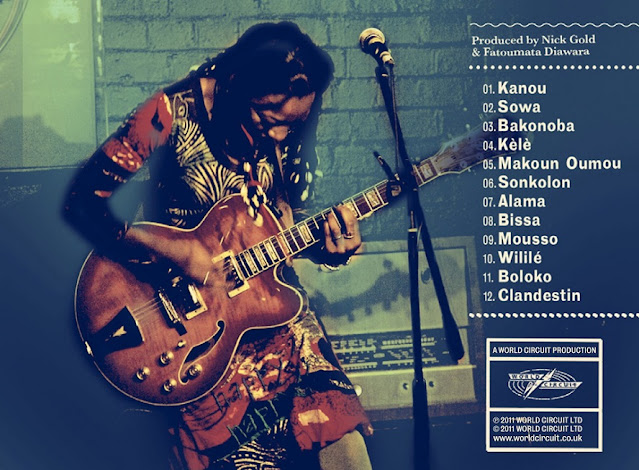
Fatoumata Diawara - Fatou - 2011


Fatou is the first album and the name by which Fatoumata Diawara is known, an actress and singer from Mali living in Paris, sponsored by the prestigious Alí Farka Touré and Oumou Sangaré label, World Circuit. Her magnificent voice acts as a great protagonist, with her own songs that convey folk melancholy and pop sound that naturally integrates ngoni or pumpkin.


Born in Ivory Coast to a Malian family linked to the world of art and dance in the mythical Wassoulou region of western Mali, Fatou became well known for her participation in films that have been very popular in western Mali. Africa (Mali, Guinea, Senegal and Burkina Faso). She also began in the artistic world participating in various theatrical productions, in her country and in France. In Paris, she Fatoumata sang in bars, where she was discovered by Cheikh Tidiane Seck, a magnificent composer and producer (of artists such as Salif Keita, Dee Dee Bridgewater or Oumou Sangaré). With the help of this popular Malian keyboardist and composer, she returns to Bamako and participates in various musical projects: both on the album Seya by the wonderful Oumou Sangaré and on the album by the Afro-American jazz singer Dee Dee Bridgwater, Red Earth. Her silky contemporary voice is also on recent records by Cheikh Lô, Afrocubism and Herbie Hancock.


After learning to play the guitar (encouraged by Rokia Traoré) and composing a good collection of songs, she made her debut for the prestigious British label World Circuit by the very hand of Oumou Sangaré, to whom she lovingly dedicates "Makoun Oumou", a guide and a role model when it comes to women's liberation ideals.


With the production of magician Nick Gold, she records twelve pieces in which her crystalline voice stands out. In her mix of styles, "Kanou" exudes sweetness with her message of the need for love as a restorative function of loneliness, the same tenderness that she shows to talk about the drama of emigration in "Clandestin". "Boloko" is a plea against female cutting; in "Bakonoba", it is an Afro-jazz electric guitar that surrounds a reflection on how cruel words are sometimes; On the other hand, in "Sowa", "Sonkolon" and "Alama", it is the cry of her deep voice that flies over a recollection that aims to encourage mothers not to abandon their children and highlight the suffering of the and the orphans, or the one that she had to live to change her destiny. Nothing escapes the dissection of an outstanding voice that certifies a magnificent album. 


Tracks list:

01. Kanou

02. Sowa

03. Bakonoba

04. Kèlè

05. Makoun Oumou

06. Sonkolon

07. Alama

08. Bissa

09. Mousso

10. Wililé

11. Boloko

12. Clandestin


diciembre 20, 2021

Zani Diabaté & The Super Djata Band - Mali


Zani Diabaté, a prominent guitarist for the Djata Super Band, one of Bamako's most popular bands during the 1980s, joined the National Ballet in 1963, where he sang, danced, and played guitar, kora, balafon, and percussion. In his spare time, he played the harmonica, Harmonica Jazz, and later formed the band with Ganoua Daouda Sangaré playing kamalenn'goni and on vocals, and with Maré Sanogo on djembé. In the early 1970s, the Ganoua Band was named the 3rd Mali National Orchestra. When they were out of work, Zani and his bandmates decided to switch to a private band they called the Super Djata Band. It was in 1974 when they began to record for Radio Mali.


The sound of Super Djata, is based on the soft malinke sound, melodies and Bambara rhythms, highly colored by the outstanding guitar of Zani Diabaté. 


Ensemble – Super Djata Band

Bass – AbouDrahamaneCamara

Drums – LamoussaDiabate

Guitar – OusmaneDicko

Keyboards – DoumankeKoita

Lead Vocals – Daouda "Flani" Sangare

Percussion – Bemba Dembele

Percussion, Timbales – BakariDiabate

Vocals – Alou Fane, IdrissaMagassa, SaliaSanogo

Written-by, Guitar [Lead] – Zani Diabaté


Super Djata

Bina

Djegnogo Djougou

Randjila

Tindoro

Noumousso

Facia

Farima

Fadigna Kouma


diciembre 19, 2021

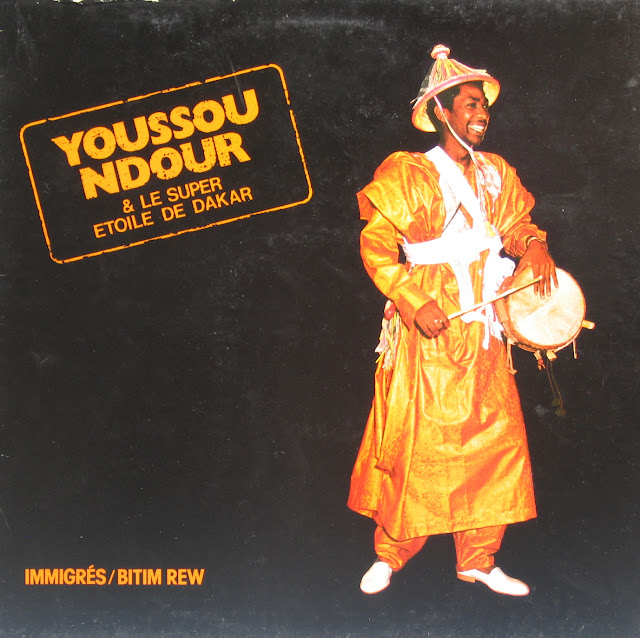
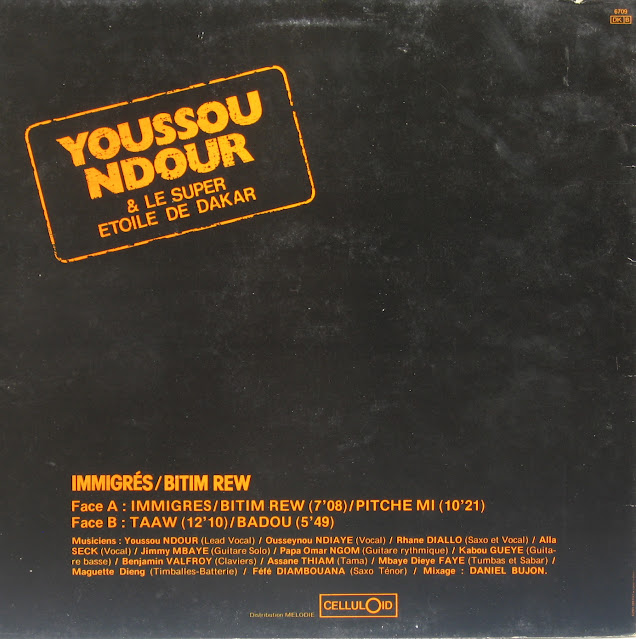
Youssou N´Dour - Immigrés - Bitim Rew - 1984


Immigrés-BitimRew (1984) was YoussouN´Dour's first studio-released album, an album considered one of the pillars of African music and one that music critics have included among the 1000 albums of all time. Distributed in 1989 under Virgin's Earthworks collection, it ranked Youssou N'Dour as the most valued in the West of all African musicians, and as a bulwark of mbalax, Senegal's popular music. The mbalax is a combination of traditional griot music and the influences of Afro-Cuban rhythms brought from the Caribbean to West Africa during the 50s and 60s of the last century. In the 70s this mix was steeped in the rhythms of Senegalese dances, including electric guitars and saxophones, tama solos, contributions from Sufi religious music, and the influence of rock and jazz.

Immigrés is a rare concept album for pop-rock-educated ears. In the first place, due to the distribution: four very long songs for a very short album and, above all, due to the need to adapt our ear for the full enjoyment of a rhythmic polysemy that radically differs from the much more basic forms to which the rock had gotten us used to it so far.


In these songs (with lyrics that evoke traditional stories from their country), the ingredients seem to have an independent life of their own. They circulate along its lane, intersect with other sections or rhythms, the melodies are sensed and disappear barely outlined; they are swept away by the keyboards, they are returned or not by the guitar, and all under the guise of an unpredictable jam between Youssou and his people from Le SuperEtoile de Dakar, which end up taking on an iron and secret coherence.


Immigrés: three songs made of devilish successions of rhythms and a song (if we can call it "Pitche Me") with a much more ceremonious appearance and where the beautiful voice of N'Dour leaves us knocked out with impossible arabesques. A call to his fellow immigrants and a sample of his efforts to bring his music to the rest of the world. 


Tracks list:

01. Immigrés/BitimRew

02. PitcheMi

03. Taaw

04. Badou


diciembre 19, 2021

World Music Network - The Rough Guide to Merengue & Bachata - 2001


01. Antony Santos - Dejelo Ahi

02. Frank Reyes - Lo que le gusta las mujeres

03. Eddy Herrera - Su Mirada

04. Aramis Camilo - El Repollo

05. Teodoro Reyes - El Matatan

06. Samuelito Almonte y su Conjunto Tipico - Que Pena

07. Luis Melo - Que diran la gente

08. Raulin Rodríguez - Las mujeres de quisqueya

09. Nelson Roig - El dueño de la noche

10. Luis Vargas - La Cosquillita

11. Pedro Veras - Te la compro

12. Luis Segura - Los Celos

13. Blas Duran - Crei

14. Samuelito y su Conjunto Tipico - Me Enamoro

15. Rumbanda - El toro joco

16. Antony Santos - Te dare una robaita

diciembre 16, 2021

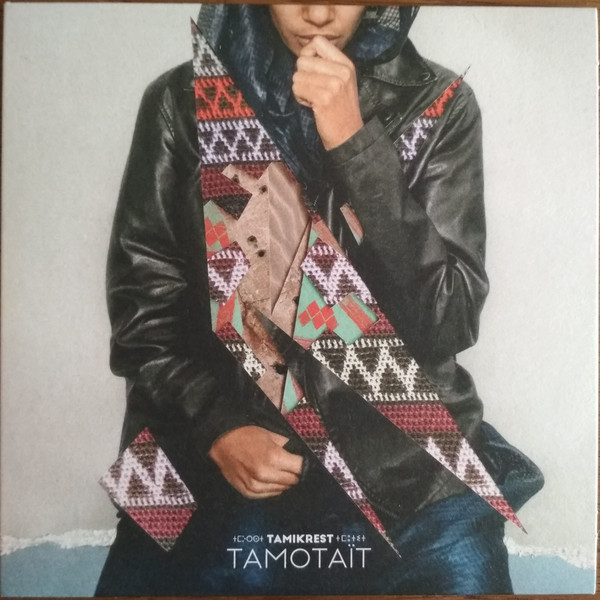
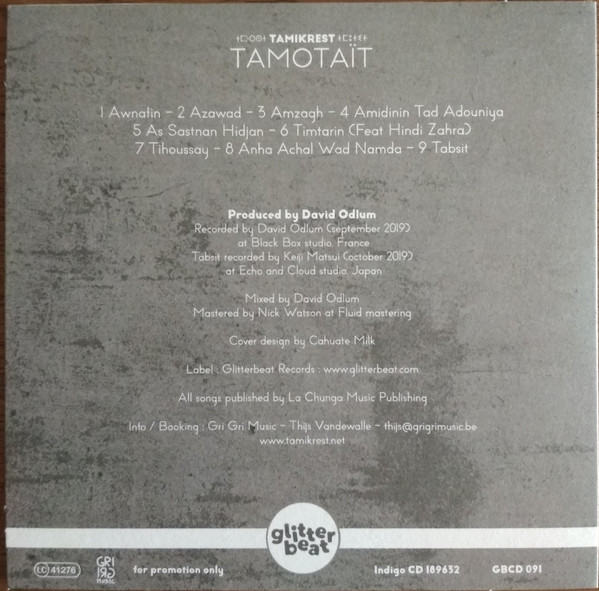
Tamikrest - Tamotait - 2020


Tamotaït, their most powerful album since 2013's acclaimed Chatma, finds the band not only turning up the volume but also sharpening their meditative atmosphere and reflections on the state of the Sahara and the world beyond. It features the acclaimed Moroccan singer Hindi Zahra and a cut song featuring traditional Japanese musicians.


Sometimes the music is more than the notes played or the words sung. Sometimes it is a spirit that ignites and burns with a dangerous and dazzling flame. On Tamotaït, Tamikrest's fifth studio album, the music is bright and long. With the political situation so volatile and desperate in the Saharan ancestral lands where Tamikrest comes from, this is more than an album. This is resistance.


But there is also the dream of the future. "The definition of the album is there in its title," explains singer, guitarist and songwriter Ousmane Ag Mossa. 'Tamotaït means hope for a positive change'.


Change as an end to the fighting that has plagued northern Mali and the wider region for the past few years; changes such as the opportunity to thrive within their own homeland, Azawad, a proto-nation that nomadic Tuareg (or Kel Tamasheq, as they prefer to be called) briefly possessed in 2012. It is music fashioned from thoughts, dreams, inspiration and more. everything, collective experimentation.


“We are a band and when we play together everyone contributes their way of playing. For compositions, some pieces start from a riff, another part from a melody or rhythm, and each musician adds his input afterward. The idea was to keep a common thread that comes from Tamasheq music and take it through different worlds, whether they come from our influences or from our encounters during our travels. '


Tamotaït is the most expansive and adventurous album Tamikrest has made, exploring every corner of their sound. There is even music that they made far from the Sahara, in Japan. On tour there, Ag Mossa had been very impressed by the sound of his traditional instruments.


“I decided to return to learn more about the culture and the music. During my visit, I composed some songs on one of the remote islands of Japan. And since the composition of this album started in the desert and ended in the islands of Japan, we think it was a good idea to reflect this on the album as well. '


Most of Tamotaït, however, was recorded in rural France, working with producer David Odlum (Glen Hansard, Gemma Hayes, Tinariwen), leaving his mixing role at the band's 2016 release, Kidal.


'We wanted to make a modern album but with vintage sounds, and we fell in love with his studio, Black Box, when we visited him a few years ago,' explains Ag Mossa. “We wanted to work as much as possible on the sounds beforehand and not leave everything to mixing. So we spent time with him, finalizing the arrangements before we started recording, and he also helped us a lot in choosing amps and microphones. "


The Odlum effect is especially evident in 'Anha Achal Wad Namda'. Just hear that moment when Ag Mohamedine's uptight rhythm section, Cheikh Ag Tiglia (bass) and Nicolas Grupp (drums) spring into action and the track soars into the stratosphere with a full-throated roar. It's the pure and perfect bliss of rock, a reminder of how music can speak with such a commanding voice, and why a decade after its acclaimed career, Tamikrest has become one of the best rock and roll bands in the world. . 


1. Awnafin

2. Azawad

3. Amzagh

4. Amidinin Tad Adouniya

5. As Sastnan Hidjan

6. Timtarin feat. Hindi Zahra

7. Tihoussay

8. Anha Achal Wad Namda

9. Tabsit


noviembre 26, 2021

Ache Contigo - 30 Temas Santeros Originales - CD 2


01. Mi Veneración - Miguel Matamoros

02. Babalu Ave - Carmen Flores

03. Saludo a Chango - Los Compadres

04. Los tres amigos - Aragón

05. Papa Elegua - Orq. Reve

06. San Lázaro - Celina y Reutilio

07. Flores para tu altar - Jacqueline Castellanos

08. Mi ruego a Ochun - Caridad Cuervo

09. Yemaya - Alberto Tosca

10. Ochun del Cobre - Gina Martin

11. Oye mi ritmo - Cuarteto las D'aida

12. El hijo de Elegua - Celino y Reutilio

13. Elube Chango - Cheo Marquetti

14. El rey del mundo - Celina y Reutilio

15. Rezo a Oya - Manguare