Radio Salone

Travel Through Music

Post Top Ad

diciembre 20, 2021

Zani Diabaté & The Super Djata Band - Mali


Zani Diabaté, a prominent guitarist for the Djata Super Band, one of Bamako's most popular bands during the 1980s, joined the National Ballet in 1963, where he sang, danced, and played guitar, kora, balafon, and percussion. In his spare time, he played the harmonica, Harmonica Jazz, and later formed the band with Ganoua Daouda Sangaré playing kamalenn'goni and on vocals, and with Maré Sanogo on djembé. In the early 1970s, the Ganoua Band was named the 3rd Mali National Orchestra. When they were out of work, Zani and his bandmates decided to switch to a private band they called the Super Djata Band. It was in 1974 when they began to record for Radio Mali.


The sound of Super Djata, is based on the soft malinke sound, melodies and Bambara rhythms, highly colored by the outstanding guitar of Zani Diabaté. 


Ensemble – Super Djata Band

Bass – AbouDrahamaneCamara

Drums – LamoussaDiabate

Guitar – OusmaneDicko

Keyboards – DoumankeKoita

Lead Vocals – Daouda "Flani" Sangare

Percussion – Bemba Dembele

Percussion, Timbales – BakariDiabate

Vocals – Alou Fane, IdrissaMagassa, SaliaSanogo

Written-by, Guitar [Lead] – Zani Diabaté


Super Djata

Bina

Djegnogo Djougou

Randjila

Tindoro

Noumousso

Facia

Farima

Fadigna Kouma


diciembre 19, 2021

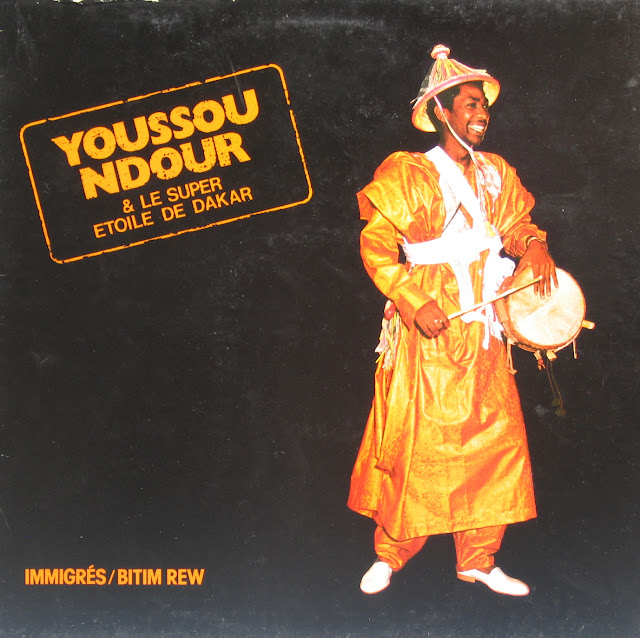
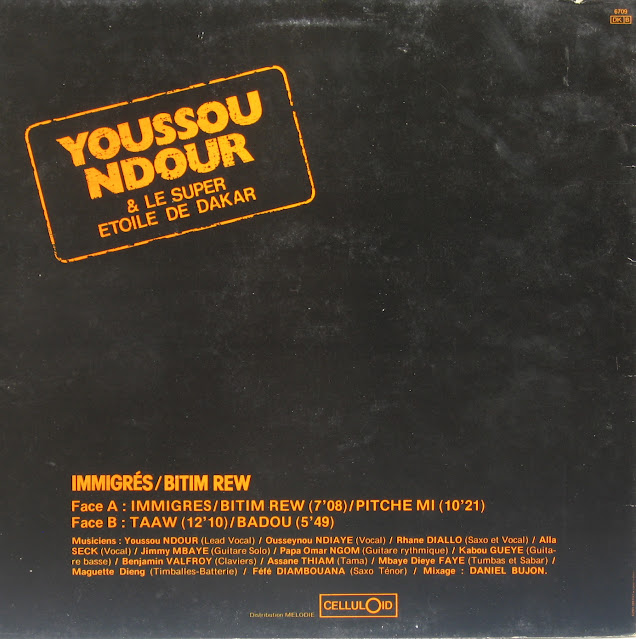
Youssou N´Dour - Immigrés - Bitim Rew - 1984


Immigrés-BitimRew (1984) was YoussouN´Dour's first studio-released album, an album considered one of the pillars of African music and one that music critics have included among the 1000 albums of all time. Distributed in 1989 under Virgin's Earthworks collection, it ranked Youssou N'Dour as the most valued in the West of all African musicians, and as a bulwark of mbalax, Senegal's popular music. The mbalax is a combination of traditional griot music and the influences of Afro-Cuban rhythms brought from the Caribbean to West Africa during the 50s and 60s of the last century. In the 70s this mix was steeped in the rhythms of Senegalese dances, including electric guitars and saxophones, tama solos, contributions from Sufi religious music, and the influence of rock and jazz.

Immigrés is a rare concept album for pop-rock-educated ears. In the first place, due to the distribution: four very long songs for a very short album and, above all, due to the need to adapt our ear for the full enjoyment of a rhythmic polysemy that radically differs from the much more basic forms to which the rock had gotten us used to it so far.


In these songs (with lyrics that evoke traditional stories from their country), the ingredients seem to have an independent life of their own. They circulate along its lane, intersect with other sections or rhythms, the melodies are sensed and disappear barely outlined; they are swept away by the keyboards, they are returned or not by the guitar, and all under the guise of an unpredictable jam between Youssou and his people from Le SuperEtoile de Dakar, which end up taking on an iron and secret coherence.


Immigrés: three songs made of devilish successions of rhythms and a song (if we can call it "Pitche Me") with a much more ceremonious appearance and where the beautiful voice of N'Dour leaves us knocked out with impossible arabesques. A call to his fellow immigrants and a sample of his efforts to bring his music to the rest of the world. 


Tracks list:

01. Immigrés/BitimRew

02. PitcheMi

03. Taaw

04. Badou


diciembre 19, 2021

World Music Network - The Rough Guide to Merengue & Bachata - 2001


01. Antony Santos - Dejelo Ahi

02. Frank Reyes - Lo que le gusta las mujeres

03. Eddy Herrera - Su Mirada

04. Aramis Camilo - El Repollo

05. Teodoro Reyes - El Matatan

06. Samuelito Almonte y su Conjunto Tipico - Que Pena

07. Luis Melo - Que diran la gente

08. Raulin Rodríguez - Las mujeres de quisqueya

09. Nelson Roig - El dueño de la noche

10. Luis Vargas - La Cosquillita

11. Pedro Veras - Te la compro

12. Luis Segura - Los Celos

13. Blas Duran - Crei

14. Samuelito y su Conjunto Tipico - Me Enamoro

15. Rumbanda - El toro joco

16. Antony Santos - Te dare una robaita

diciembre 16, 2021

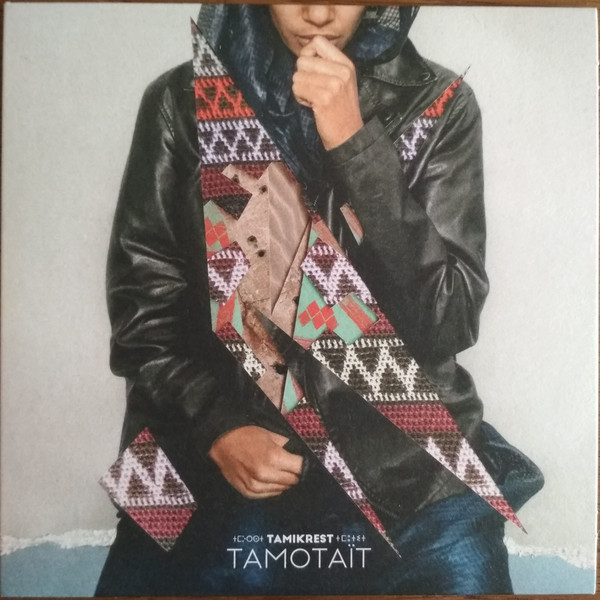
Tamikrest - Tamotait - 2020


Tamotaït, their most powerful album since 2013's acclaimed Chatma, finds the band not only turning up the volume but also sharpening their meditative atmosphere and reflections on the state of the Sahara and the world beyond. It features the acclaimed Moroccan singer Hindi Zahra and a cut song featuring traditional Japanese musicians.


Sometimes the music is more than the notes played or the words sung. Sometimes it is a spirit that ignites and burns with a dangerous and dazzling flame. On Tamotaït, Tamikrest's fifth studio album, the music is bright and long. With the political situation so volatile and desperate in the Saharan ancestral lands where Tamikrest comes from, this is more than an album. This is resistance.


But there is also the dream of the future. "The definition of the album is there in its title," explains singer, guitarist and songwriter Ousmane Ag Mossa. 'Tamotaït means hope for a positive change'.


Change as an end to the fighting that has plagued northern Mali and the wider region for the past few years; changes such as the opportunity to thrive within their own homeland, Azawad, a proto-nation that nomadic Tuareg (or Kel Tamasheq, as they prefer to be called) briefly possessed in 2012. It is music fashioned from thoughts, dreams, inspiration and more. everything, collective experimentation.


“We are a band and when we play together everyone contributes their way of playing. For compositions, some pieces start from a riff, another part from a melody or rhythm, and each musician adds his input afterward. The idea was to keep a common thread that comes from Tamasheq music and take it through different worlds, whether they come from our influences or from our encounters during our travels. '


Tamotaït is the most expansive and adventurous album Tamikrest has made, exploring every corner of their sound. There is even music that they made far from the Sahara, in Japan. On tour there, Ag Mossa had been very impressed by the sound of his traditional instruments.


“I decided to return to learn more about the culture and the music. During my visit, I composed some songs on one of the remote islands of Japan. And since the composition of this album started in the desert and ended in the islands of Japan, we think it was a good idea to reflect this on the album as well. '


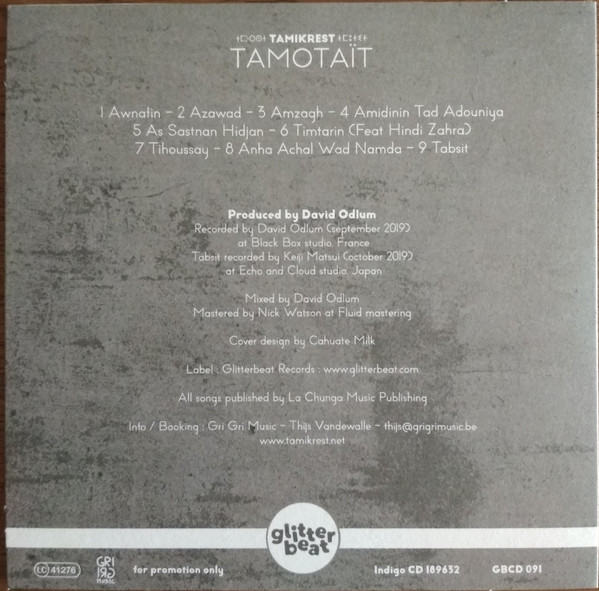
Most of Tamotaït, however, was recorded in rural France, working with producer David Odlum (Glen Hansard, Gemma Hayes, Tinariwen), leaving his mixing role at the band's 2016 release, Kidal.


'We wanted to make a modern album but with vintage sounds, and we fell in love with his studio, Black Box, when we visited him a few years ago,' explains Ag Mossa. “We wanted to work as much as possible on the sounds beforehand and not leave everything to mixing. So we spent time with him, finalizing the arrangements before we started recording, and he also helped us a lot in choosing amps and microphones. "


The Odlum effect is especially evident in 'Anha Achal Wad Namda'. Just hear that moment when Ag Mohamedine's uptight rhythm section, Cheikh Ag Tiglia (bass) and Nicolas Grupp (drums) spring into action and the track soars into the stratosphere with a full-throated roar. It's the pure and perfect bliss of rock, a reminder of how music can speak with such a commanding voice, and why a decade after its acclaimed career, Tamikrest has become one of the best rock and roll bands in the world. . 


1. Awnafin

2. Azawad

3. Amzagh

4. Amidinin Tad Adouniya

5. As Sastnan Hidjan

6. Timtarin feat. Hindi Zahra

7. Tihoussay

8. Anha Achal Wad Namda

9. Tabsit


noviembre 26, 2021

Ache Contigo - 30 Temas Santeros Originales - CD 2


01. Mi Veneración - Miguel Matamoros

02. Babalu Ave - Carmen Flores

03. Saludo a Chango - Los Compadres

04. Los tres amigos - Aragón

05. Papa Elegua - Orq. Reve

06. San Lázaro - Celina y Reutilio

07. Flores para tu altar - Jacqueline Castellanos

08. Mi ruego a Ochun - Caridad Cuervo

09. Yemaya - Alberto Tosca

10. Ochun del Cobre - Gina Martin

11. Oye mi ritmo - Cuarteto las D'aida

12. El hijo de Elegua - Celino y Reutilio

13. Elube Chango - Cheo Marquetti

14. El rey del mundo - Celina y Reutilio

15. Rezo a Oya - Manguare


noviembre 25, 2021

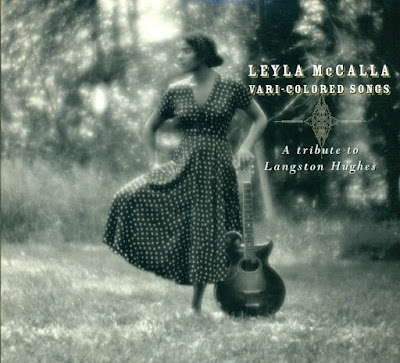
Leyla McCalla - Vari - Colored Songs - 2013


Born in New York and living in New Orleans, Leyla McCalla anchors her roots in Haiti. She is a member of Carolina Chocolate Drops, an American folk music group, she makes her solo debut with Vari-colored songs, an old school sonorous treatise that links the blackness of the Caribbean with the African American folk and blues heritage. She is a notable singer and outstanding cello player that she here plays without a bow, pinching the strings (she also plays banjo and guitar).


Leyla herself pays tribute to the poet, novelist and essayist Langston Hughes, whose work is linked to the so-called Harlem Renaissance. McCalla sets some of his vibrant poems to music. She also reviews other Hughes writing harmonized by Kurt Weill. In addition, the repertoire includes traditional songs sung in Creole (she recovers Kamèn sa w fè?, A piece recorded in Port-au-Prince, in 1937, by the musicologist Alan Lomax). Vari-colored songs is the work of a singular and necessary artist in times of excess and forgetfulness.


Leyla McCall has been a part of the Carolina Chocolate Drops for the past two years. The cross-pollination of her Haitian roots with the African-American folk blues tradition endows her music of her with a unique, highly poetic freshness.


Leyla McCalla - Vari-Colored Songs (2013)

A Tribute to Langston Hughes 


01. Heart Of Gold (3:00)

02. When I Can See The Valley (2:12)

03. Mesi Bondye (2:27)

04. Girl (2:53)

05. Kamen sa w fe? (2:21)

06. Too Blue (2:27)

07. Manman Mwen (3:19)

08. Song For A Dark Girl (2:51)

09. Love Again Blues (2:40)

10. Rose Marie (2:57)

11. Latibonit (3:49)

12. Search (3:19)

13. Lonely House (3:26)

14. Changing Tide (3:00)


noviembre 21, 2021

Issa Bagayogo - Timbuktu - 2002


Singer-songwriter Issa Bagayogo offers an innovative take on the rich musical tradition of Mali, his native land, combining his roots based on acoustic textures with the sounds of electronic music and dub. The result is one of the most personal and original fusions between West African traditional music and electronic music that can be found today, adding to that movement that has been called "afro-electro".


Released by Six Degrees, Timbuktu's recording began in Mali, where Bagayogo began to incorporate funky bass lines and electronic beats into the rich Wassulu tradition (century-old culture of the south-west of the country). Along with his ngoni, his velvety voice and with the production of Yves Wernert, Issa's songs are about community issues and social denunciation.


The most compelling aspect of Timbuktu is the way the rhythms come together, both those that belong to a western context of club music and the traditional sounds of griot music. "Baro", with its blues guitar, catchy backing vocals and acoustic yet contemporary sound, is a good example of this. "Sisi", which is about drug abuse by youth, begins with the ngoni and includes the balafon, traditional drums, a wind section and soft female choirs. "Tounga" has the sound that defines the Current Afro-pop: sharp electric guitars, rock tempo and a vibrant bass; it is in this song that Bagayogo sings about emigration and the fight for cultural and artistic integrity.


"Dambalou", a song composed in honor of the warriors who built the Mandingo empire, has been thoroughly worked, with a slowed electronic rhythm, an excellent acoustic guitar solo, and the sounds of Brazilian samba. On the other side of the musical spectrum of this album is precisely the piece that gives title to the album, "Timbuktu", which has a sound full of blues, timeless, even with a touch of Arabic roots, drinking from the same musical influences that other great figures from Mali such as Ali Farka Touré and Habib Koité. Bagayogo's lyrics idealize Timbuktu as a multi-ethnic city, where Muslims, Christians and people from different ethnic groups in Mali live together in harmony.


"Gnele" has an electronic rhythm that already sounds like a mix for dance floors. "Nogo" ("Pollution") has one of the most sophisticated productions of the work, thanks to the combination of traditional instruments and Issa's voice. "Saye Mogo Bana" is a fusion of acoustic and digital percussion, electric and acoustic strings, modern production techniques, and a timeless theme, "death makes flesh disappear, but not your name." And "Dama", the piece that closes the album and that also deals with death, is a party that manages to offset the weight of acoustics and electronics, recalling one of the oldest traditions in Mali: the drums that serve to mark funerals.


The late Charlie Gillet, one of the great BBC personalities who promoted the "BBC Radio 3 Awards for World Music", said at the time of Issa Bagayogo: "The more I listen to his music, the more I think it is destined to become a classic. of African music in general and of the Malian scene in particular ". 


Tracks list:

01. Sisi

02. Baro

03. Tounga

04. Nogo

05. Timbuktu

06. Dambalou

07. Toroya

08. Saye Mogo Bana

09. Banani

10. Gnele

11. Tamagnoko

12. Dama


noviembre 19, 2021

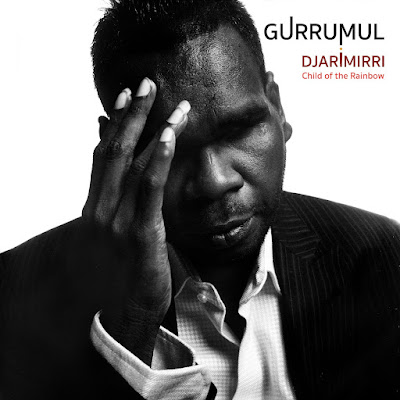
Gurrumul - Djarimirri - Child of the Rainbow


Geoffrey Gurrumul Yunupingu (Galiwin'ku, Elcho Island, Australia, January 22, 1971-Tiwi, Darwin, Northern Territory; July 25, 2017) was an Australian aboriginal musician, who sang in the Yolngu language.


He was born on Galiwin'ku (Elcho Island), off the coast of Arnhem Land, in northern Australia, about 580 kilometers from Darwin. He belonged to the Gumatj clan of the Yolngu and his mother was from the Galpu nation.He was born blind, never learned braille and did not have a guide dog or use a white cane. Yunupingu spoke a few words of English, and he was said to be extremely shy.


He played drums, keyboards, guitar, and didgeridoo, but it was the clarity of his singing voice that had attracted rave reviews. He sang stories of his land in both languages (Galpu, Gumatj or Djambarrpuynu, all Yolŋu Matha) and English. Before Yothu Yindi, he is now with the Saltwater Band. 


1 Waak (Crow) 5:08

2 Galiku (Flag) 5:01

3 Ngarrpiya (Octopus) 6:09

4 Djarimirri (Child of the Rainbow) 5:08

5 Djolin (Musical Instrument) 5:56

6 Marrayarr (Flag) 7:42

7 Gapu (Freshwater) 5:21

8 Djilawurr (Scrubfowl) 5:04

9 Baru (Saltwater Crocodile) 5:50

10 Gopuru (Tuna Swimming) 6:34

11 Djapana (Sunset) 5:08

12 Wulminda (Dark Clouds) 7:56


noviembre 17, 2021

Djelimadi Tounkara - Sigui - 2002


Djelimady Tounkara is an impressive musician from Mali, both on acoustic and electric guitar, and on n'goni (a mixture of harp and lute), an instrument considered to be the African forerunner of the banjo. Tounkara began his career with jazz in the Missira area of Bamako in the 1960s, and was a founding member of the legendary The Rail Band of Bamako alongside Salif Keita and Mory Kanté. Since then he has done a great job to make the music of his country known to the world. In 2001 Djelimady Tounkara won the "BBC Radio 3 Awards For World Music" award for Africa, and in 2002 he launched Sigui on the market, work in which Tounkara reinterprets the traditional jeli (songs of the members of the caste responsible for keep an oral history of the village or tribe). 


Tracks list:

01. Mande Djeliou

02. Gnima Diala

03. Sigui

04. Ayebo

05. Diaoura

06. Amary Ndaou

07. Djanfa Magni

08. Samakoun

09. Makan Djan Woule

10. Senelalou

11. Yamaryo

noviembre 16, 2021

La Orquesta de Flautas "Diadema"


La Orquesta de Flautas "Diadema" profesionalizada desde el año 2006, pertenece a la Música de Concierto de la Empresa Comercializadora de la Música y los Espectáculos "Rafael Lay" en  Cienfuegos. Bajo la batuta de su creadora y directora la Lic. Bronia Mejías Polo han obtenido su mayor logro en el 2013 al integrar el Catálogo Nacional de la Música de Cámara del Centro Nacional de la Música de Concierto como única agrupación de su tipo en el país.

Historia

Esta agrupación creada en el año 2001comenzó como proyecto escolar de la especialidad de flauta en la Escuela de Arte “Benny Moré “de Cienfuegos Su aporte a la cultura cubana comienza con el bello repertorio que adaptó para su conjunto de flautas como complemento de la enseñanza a sus alumnas, por ello fueron aplaudidas en importantes escenarios.


Lo novedoso de este formato contemporáneo cubano radica en romper los límites tradicionales de un flautista para convertirse en espectáculo.


Repertorio

Su repertorio exhibe los clásicos más disimiles géneros musicales: Concierto, Sonata, Danza, Jazz, Tango, Canción, Guaracha, Rumba, Conga. Las obras más representativas de la música europea se encuentran en su repertorio como muestra de la formación musical de estas flautistas y en cuanto a la música cubana interpretan desde lo clásico a lo popular como fieles herederas de Richard Egües y Efraím Loyola.


Discografía

Solo dos (2015)

A toda flauta (2019)

Homenaje a José Manuel Vázquez del Rey (2019)


Festivales

La Orquesta de Flautas Diadema ha participado en varios festivales nacionales e internacionales como el 6to Festival de vientos de La Habana en 2002, el XII Festival de Música de Cámara de la Habana en el 2015, el Festival Internacional de Música Contemporánea en La Habana (2015), el Festival "A Tempo con Caturla" en Villa Clara (2016), entre muchos otros.


Destacados

Concierto Conjunto con la Camerata Cortés en los jardines del instituto cubano de la música 2006

Concierto de Navidad en homenaje al flautista E. Loyola 2006

Gala clausura de los premios casa de las Américas (Cienfuegos)2007

Invitados al Concierto de la agrupación “Distelfinken” en el teatro Tomas Terry.

Entrada al Catálogo Nacional de la Música de Concierto (2013)


Donde encontrarlos

https://youtube.com/channel/UC4L49tD_1a1bMAgVw8LB0SQ

https://t.me/joinchat/sMmHmCssvvJjMDEx

https://instagram.com/diadema_orquestadeflautas

https://www.facebook.com/136427437104980/


noviembre 09, 2021

World Music Network - The Rough Guide to Samba - 2001


01. Leci Brandao - Saudacao a Ossain

02. Moacyr Luz - Jogo Rasteiro

03. Paulo Moura e Os Batuta - Pelo Telefone

04. Duo Barbieri - Schneiter - Choro No. 2

05. Dona Ivone Lara - Axe de Langa

06. Velha Guarda Da Mangueira - Mangueira Chegou

07. Cartola - Quem me ve sorrindo

08. Zizi Possi - O que e o que e

09. Bezerra da Silva - Malandro e Malandro e mane e mane

10. Da Melho Qualidade - Manifestacao do povo

11. Grc Escola de Samba Vai Vai - Nostradamus

12. Elton Medeiros - Meu Viver

13. Monarco - Feliz eu vivo no morro

14. Nelson Sargento - Infra Estrutura

15. Jards Macala - Favela

16. Osvaldo Pereira - Olha Ze

17. Fam Lia Roitman - A Cebeca

18. Luciana Mello - O mar Serenou


noviembre 08, 2021

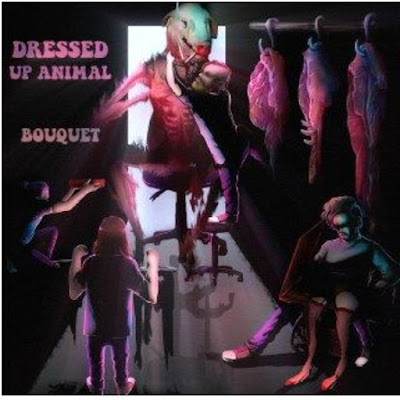
Bouquet - Dressed Up Animal


Biography


Bouquet is a Cuban rock band founded in 2003 in Cienfuegos by Aivis Prieto and Pavel Cama, to date the band has been a pioneer in a unique style of Cuban rock, being faithful to its sound and showing an excellent performance on rock stages. of the whole island.


Bouquet performs as an amateur group at a university festival, playing covers and wins the provincial festival. Shortly after, it was formed as a rock band, composing and playing its own songs and, in 2007, it became a professional.


In all these years Bouquet has been faithful to its style, which has managed to leave its mark in each concert or festival that they have passed through throughout the Caribbean island with a serious and spectacular performance in each presentation. Without a doubt, the exceptional voice of its singer and founder Aivis Prieto and the virtuosity of Pavel Cama on guitar have been the highlight of the various EPs that have been left as evidence of his musical development.


Dressed Up Animal


Last album of the band, second LP but first of pure original songs. It includes two songs from Bouquet's early years, from EPs that enjoyed local popularity, now recorded with quality production.


Dressed Up Animal will be the first in a trilogy with a similar approach, the result of which will be a sample of all the different styles and influences that have been shaping the band over the years, and in turn, it will have a strong sense of unity in its own poetic microcosm. 

https://album.link/rz48z8nchk0k3

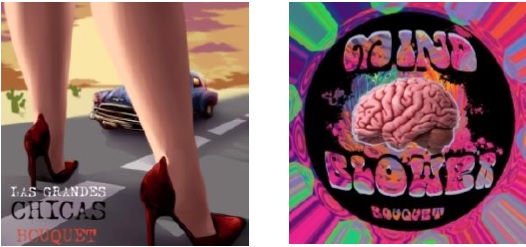
Prior to the release of this new album they left us tracks of the same quality with the singles "Las Grandes Chicas" and "Mind Blower" 

https://song.link/5fkbwmt2gnzdw

https://song.link/0s6r8r3nkgjvw

Achievements


Bouquet is currently part of the national catalog of excellence of the Cuban institute of music.


The song “Fantasma” was nominated in 3 categories at the Cuerda Viva 2007 awards.


The video clip of “Lighting” was nominated at the Lucas Awards for the best rock video.


Festivals


The band has participated in national and international festivals for rock and alternative music such as the annual AHS Rock Festival in Villa Clara and Cienfuegos in 2019, the National Alternative Music Festival.


Bouquet has maintained a constant participation in all editions of the Ciudad del Mar Alternative Music Festival and other Specialized Rock and Fusion Festivals. It was even part of the Ibero-American Culture Festival.


Musical style


The Bouquet's musical style consists of an eclectic hard rock with influences from grunge, metal, and progressive rock, as well as traditional music and Cuban songwriting.


Where to find them 

https://bouquet-cuba.com

https://facebok.com/BouquetCubaRockBand

https://instagram.com/bouquet_cuba

https://twitter.com/BouquetCuba

https://www.youtube.com/channel/UCqmjus_OyFH00D65I1MwacA

Highlights 

Blogs que hablan del album Dressed

Up Animal

https://rgm.press/we-review-the-newsingle-

from-bouquet-dressed-upanimal/review/

https://www.indiebuddie.com/bouquet-dressed-up-animal-album/


noviembre 04, 2021

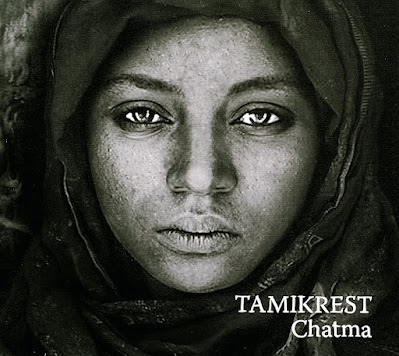
Tamikrest - Chatma - 2013


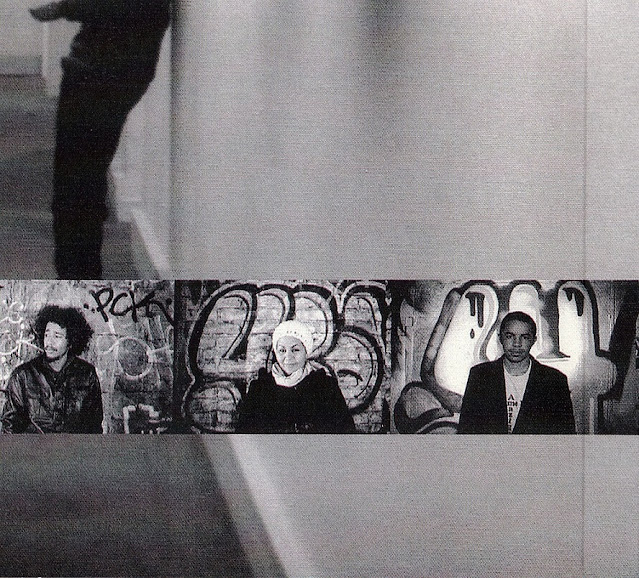
Tamikrest means "Intersection" in the language of the Kel Tamashek, a nomadic tribe from the north of the Sahara, commonly known as Tuaregs. The project is headed by Ousmane Ag Mossa and Wonou WaletSidati, the latter known for her involvement in Tinariwen. With them they share situations, influences and many of the sounds of the Tuareg culture (as can be seen in their previous works, Adagh, from 2010, and Toumastin, from 2011): like Tinariwen, Tamikrest has to live in exile due to to the political situation of his country, a condition that feeds his music, in a mixture of the traditional sound of the Sahara, rock and blues.

Recorded between the Czech Republic and Slovenia, the song that opens the album, "Tisnantan Chatma" ("The suffering of my sisters") is that sad tribute that sings to the oppression experienced by women in northern Mali. The album has absolutely hypnotic moments, as in "Itous", and others more leisurely, as in "Achaka Achail Aynaiandaghchilan", "Timtar" and "Adounia Tabarat", but the general tone is marked by the intensity of themes with a high influence of rock like "Imanin Bas Zihoun" or "Djanegh Etoumast".


A powerful, impeccable work, with a virtue shared by other groups and artists in the region: that of knowing how to transmit, like no one else, an attitude of struggle against pain through music. 


01. TisnantanChatma (The suffering of my sisters)

02. Imanin bas zihoun (Nothing will make my soul joyful)

03. Itous (The Objective)

04. AchakaAchailAynaiandaghchilan (Tomorrow, Another Day)

05. DJaneghetoumast (I Say To The People)

06. Assikal (The Journey)

07. Toumastanlet (We Have A People)

08. Takma (Pain)

09. Adouniatabarat (Life)

10. Timtar (Memories)


noviembre 03, 2021

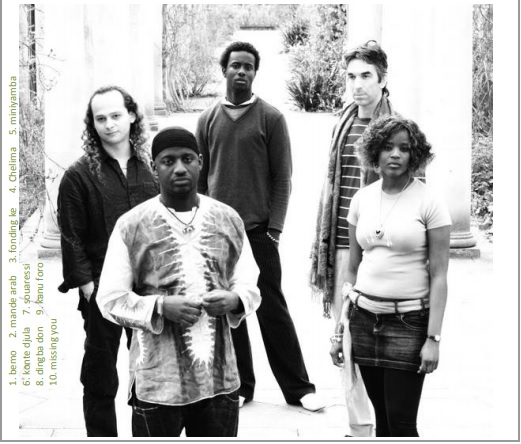
Seckou Keita SKQ - The Silimbo Passage - 2008


Known as "the Jimi Hendrix of the kora", Seckou Keita is a brilliant advocate of the lesser-known sounds of the kora repertoire of southern Senegal. The innovative twists he introduces into improvisation on this 21-string harp-lute distinguish Keita's sound, an eclecticism that is reflected in his quintet, whose members hail from Senegal, Italy, Egypt and the Gambia.


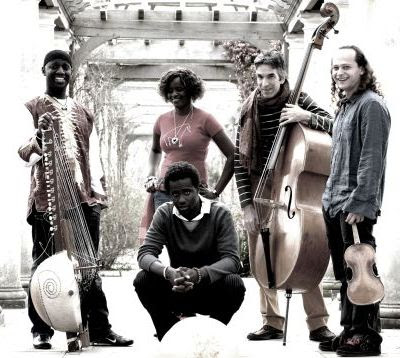
The Seckou Keita SKQ Quintet is one of the most acclaimed bands on their tours, seducing audiences from Montreal to Manchester, Sweden or Senegal with their captivating music and their wonderful ability to bring their instruments together. Seckou Keita SKQ is comprised of Seckou Keita himself on kora, Davide Mantovani on double bass, Surahata Susso on percussion, the distinctive sound of Samy Bishai on violin, and the charming voice of Binta Susso.


Seckou Keita sets himself apart from other musicians in his inimitably distinctive sounds, becoming one of the most innovative and creative kora players today. All the virtuosity and magic of Keita and his quintet are exhibited on the album The Silimbo Passage (2008). Unclassifiable and charming fresh sound. 


01. bemo

02. mande arab

03. fondingke

04. Chelima

05. miniyamba

06. kontedjula

07. souraressi

08. dingba don

09. kanuforo

10. missing you