Radio Salone

Travel Through Music

Post Top Ad

enero 10, 2024

Rita Ribeiro - Perolas Aos Povos - Brasil


Desde 1997, Rita Ribeiro ha sido considerada como una nueva revelación de la música 

brasileña, la creación de su carrera con una sinceridad poco común, con especial atención al folclore de su casa en el estado de Maranhão, y el registro de los viejos valores olvidados. Sus álbumes han sido bien aceptados y tiene una carrera internacional, habiendo actuado en el Festival de Montreux, junto con Milton Nascimento, Nei Matogrosso, Zeca Baleiro, y Chico César.


Desde que tenía ocho años, era un entusiasta del reggae, también interpone la cultura afro-brasileña a través de las manifestaciones religiosas y folklóricas como la umbanda, bumba-meu-boi, y el tambor de crioula. En 1986, se unió al grupo Fuzarca, que recuperó los valores olvidados de Maranhão. Fue allí donde hizo contacto con la obra de Antonio Vieira, un compositor de 77 años de edad, de gran talento, prácticamente desconocido para el público a pesar de ser el compositor de más de 300 canciones. Ribeiro hizo su primera actuacion en 1989, dirigida por Zeca Baleiro (que también es de Maranhão), con quien también hizo presentaciones en bares y locales. Ese año, se casó y se mudó a São Paulo, donde trabajó como gerente de recepción, sin dejar de cantar en los bares locales. Ella comenzó a estudiar canto con Ná Ozzetti y Madalena Bernardes en ese período, continuando durante tres años. En el lado opuesto de la calle donde vivía, Chico César (también de Maranhão) y Zeca Baleiro compartió un apartamento. En 1997, Ribeiro grabó su primer CD, Rita Ribeiro (Velas), producido por Zeca Baleiro, y grabó "Cocada" y "Quem Tem Queira" de Antônio Vieira. En ese año, grabó para Fuji un especial de televisión, que fué transmitido en Japón y fue considerada una cantante revelación. Dos años más tarde, lanzó un segundo álbum, Pérolas aos Povos (MZA), la grabación incluye de nuevo a Vieira ("Banho Cheiroso"), junto con los compositores nuevos y desconocidos de Maranhão. 


01 - To

02 - Filhos da Precisao

03 - Deja Vu

04 - Banho Cheiroso

05 - Jamais Estive Tao Segura de Mim Mesma

06 - Pensar em Voce

07 - Vendedor de Bananas

08 - Mambo da Dor

09 - Ha Mulheres

10 - Muzak

11 - Eclipse em Meia Lua

12 - Mana Chica

13 - Perola aos Povos

14 - Na Gira


diciembre 28, 2023

Lido Pimienta - Miss Colombia - 2020


El último álbum de Lido Pimienta, Miss Colombia, cuenta con 11 canciones nuevas y originales que celebran audazmente la extática hibridez musical de electrónica y cumbia de Lido, siendo a la vez desafiante y delicada, exploratoria y confrontativa, como ya estableciera en sus dos primeros álbumes, Color, lanzado en 2010, y La Papessa (ganador del Premio Polaris 2016 como álbum canadiense del año).

Una escena absurda en vivo y en directo, como de telerrealidad, en la final del concurso televisado de Miss Universo de 2015, y las reacciones derivadas de ello fueron el detonante de este disco: en lugar de mencionar a la representante de Filipinas como ganadora, el presentador se equivoca nombrando a la concursante colombiana; enmendado el error, la ola de mensajes de odio, burla y racismo desde Colombia hacia el presentador y la ganadora hizo que la artista se cuestionara sobre lo que implica ser colombiana y sobre el trato que recibe de su país por ser mujer, por ser migrante, por ser negra, por ser indígena wayuu, por ser iconoclasta.

La ola de odio racial que aquello despertó en su país llevó a pensar a Pimienta, feminista afro-indígena, en todo lo que le distanciaba de sus compatriotas. Si no se identificaba con esa oleada de odio, ¿seguía siendo realmente colombiana? Eso la llevó a reflexionar sobre su doble condición de expatriada, y a establecer un diálogo consigo misma sobre cómo, pese a amar Colombia, su cultura y su folclore, dándole además difusión en el hemisferio norte, se sentía mucho más identificada con los valores morales de su nuevo país. Rechaza el racismo –que ella misma, con sangre indígena y africana, había experimentado–, la violencia indiscriminada y como modo de vida, el sexismo, la LGBTIfobia y la desafección de la clase política colombiana para con las y los más desfavorecidos y, aun así, estar visceralmente unida a él.

Grabado en su estudio casero, con algunos registros adicionales realizados en la histórica ciudad colombiana de San Basilio de Palenque, todas las canciones de Miss Colombia fueron escritas y arregladas por Lido, coproduciendo el álbum con Matt Smith, también conocido como Prince Nifty.

Musicalmente profundiza en la historia de las músicas afrolatinas, desde el Palenque hasta la cumbia, estilos que Lido abrazó después de participar con el Sexteto Tabalá, uno de los colectivos artísticos más representativos de las comunidades africanas en Colombia (que también aparecen en el álbum). El disco también cuenta con Li Saumet de Bomba Estéreo.

La ascendencia y el mestizaje exaltados por la autora, afincada en Canadá desde 2005, se acentúan con aspereza en la portada, que hace juego con el título del álbum. En ella, por cuenta de la fotógrafa Daniela Murillo, Lido Pimienta encarna a una suerte de santa o reina, o ambas, en un altar color pastel que remite a los retablos sincréticos y populares de la América hispanizada y evangelizada.

La segunda mitad de Miss Colombia es una reafirmación valiente de la herencia cultural recibida por Lido. En el preludio a la canción "Quiero que me salves", el maestro cantor Rafael Cassiani Cassiani narra el origen del Sexteto Tabalá, agrupación legendaria de la música caribeña colombiana oriunda de Palenque de San Basilio –el primer pueblo negro libre de América– que, enseguida, acompañan a la cantante en la canción del mismo nombre. "Pelo Cucú" es una exaltación del pelo de los afrodescendientes y cuenta con el respaldo vocal de las cantaoras del Grupo Raíces de Palenque.

Antes del epílogo, el álbum concluye con "Resisto y ya", una invitación festiva, bailable y sencilla a salir al encuentro y a celebrar el cambio a pesar de quienes se oponen a la transformación de la sociedad y el cambio de paradigmas por cuenta de las personas marginadas.


Página web oficial: Lido Pimienta


Tracks list:

01. Para transcribir (SOL)

02. Eso que tú haces

03. Nada (feat. Li Saumet)

04. Te quería

05. No pude

06. Coming Thru

07. Quiero que me salves (Preludio feat. Rafael Cassiani Cassiani)

08. Quiero que me salves (feat. Sexteto Tabala)

09. Pelo Cucú (feat. La Burgos)

10. Resisto y ya

11. Para transcribir (LUNA)


Fuente: http://lauvaylaparra.blogspot.com/2022/09/lido-pimienta-miss-colombia-2020.html

diciembre 15, 2023

Eric Bibb - Blues People - 2014


Eric Bibb's main appeal has always been his positive and hopeful tone conveyed with a warm voice, impeccable acoustics and Glen Scott's balanced production. All this is present in his new work Blues People, but in addition, here, he wants to push the listener towards racial harmony by reminding him of the main redemptive achievements that emerged from a bad past. This album is in part a tribute to the memory of the great Dr. Martin Luther King.


Here the power of the blues community in its historical aspect to help document abuses and promote change is recognized, and it is recognized by bringing on board many of its esteemed colleagues such as Taj Mahal and The Blind Boys of Alabama and more recent stars such as Ruthie Foster and Popa Chubby. Still, Blues People avoids the tedious "and friends" title by being one of Bibb's most coherent efforts to date. His unforced mix of country blues, folk, gospel and soul, even with Scott's application of modern touches, firmly supports his vision, making it difficult to overlook the connection between these styles of music and their inherent heritage of being used to bring the greatest messages to humanity, not just about personal relationships.

As one of the sharpest practitioners of Real Blues for quite some time, there may be no one today more qualified (except Otis Taylor) to use the blues as an instrument to promote social progress, and he does so with careful craftsmanship, through of the diversity and intensity that we find in Blues People.


1. Silver Spoon – featuring Popa Chubby

2. Driftin' Door To Door

3. God's Mojo

4. Turner Station

5. Pink Dream Cadillac

6. Chocolate Man – featuring Guy Davis

7. Rosewood

8. I Heard The Angels Singin' – featuring JJ Milteau & The Blind Boys Of Alabama

9. Dream Catchers – featuring Harrison Kennedy & Ruthie Foster

10. Chain Reaction – featuring Glenn Scott

11. Needed Time – featuring Taj Mahal, The Blind Boys Of Alabama & Ruthie Foster

12. Out Walkin'

13. Remember The Ones – featuring Linda Tillery

14. Home – featuring Andre De Lange

15. Where Do We Go – featuring Leyla McCalla 


Fuente: http://somethingelsereviews.com/2014/10/30/eric-bibb-blues-people-2014/


diciembre 13, 2023

Dhafer Youssef - Electric Sufi


The fusion of electronic music with traditional rhythms and folk sounds is a fact in all corners of the world; from Asia to Latin America, the Balkans, the Middle East or Eastern Europe. However, most of the time everything comes down to a single formula: running “ethnic” melodies and instruments over pre-programmed beats of questionable artistic value. Far from falling into this reductionism, appears Dhafer Youssef, who has taken Arab and North African music along the electronic path while maintaining the spirituality and depth that characterizes Islamic music.


Born in Tunisia in 1967, since 1990 he settled in Europe, where he began to get involved in the avant garde and world music movements; to which he added the sound of his oud (a Middle Eastern lute) and his traditional training in Sufi music and Islamic singing learned since he was a child.


In order not to fall into the trap of electronic clichés, this album uses a luxury roster, with outstanding figures of European jazz and monsters of electronics and North American rock that give the project a global dimension and countless levels. deep.


Recorded in New York, the enormous contribution of Doug Wimbish and Will Calhoun, the rhythmic basis of Living Color and avant-garde electroacoustic projects such as Headfake, stands out here. Both Wimbish on bass and Calhoun on drums contribute all the wisdom acquired in a long career that for several decades has been characterized by the intelligent use of technology in music. Far from getting bogged down in disco resources, the Calhoun-Wimbish duo adds postmodern sound and body to Youssef's Sufi mysticism, through the expressive use of pedalboards, effects and settings that enhance the spiritual atmosphere through which the album takes us.


The lineup is completed by a selection of the highlights of European jazz: the Germans Markus Stockhausen (trumpeter with solid classical training) and Dieter Ilg (double bass); the Austrian guitarist Wolfgang Muthspiel, the South African of Indian origin Deepak Ram (bansuri, Indian classical flute) and the now legendary French percussionist Mino Cinelu (known for his work with Miles Davis Weather Report).


The album opens showing them in a very tight jazz ensemble in “Mandakini”, where Youssef on his lute and Cinelu on percussion mark the beginning of what grows and develops as a great improvisation to which they join in the leadership of Ram on flute and Muthspiel on guitar.


With “Yabay”, the Tunisian exploits to the full his expressiveness as a soloist, the melancholy of his singing and his oud, and the moving heights to which he reaches with his high notes.

  Next, the electronic army makes its entrance on “Electric Sufi”, with the drum’n bass of Calhoun and Wimbish supporting Ram and Youssef. The openness and sensitivity of both Americans to incorporate rhythms and melodies from Africa and the East into their electronic combo is notable here. Something that is repeated in “Man of wool”, where Wimbish's touch to achieve climates through effects and pedals with his bass accompanies a surreal atmosphere created by Calhoun's electronic drums, on which the singer mounts to achieve a of the most mystical and mysterious pieces on the entire CD.


In solo passages such as “Oil on Water” and “La nuit sacre” Youssef offers with his oud a break from the tension that is generated in those complex combinations of electronica and ethnic music. Likewise, the ballad “La prière de l'absent” is supported by Stockhausen's trumpet and the rest of the European jazz combo that supports him, to offer a bit of necessary peace and harmony.


“Nouba” runs along the same path, where Youssef's vocal and instrumental abilities emerge in all their splendor to achieve one of the tightest points of sonic fusion of the entire album along with the exceptional “Suraj”.


As if something else were missing, the Tunisian surprises with a brilliant performance of Maghrebi flamenco in “Farha”, supported by an impeccable solo percussion performance by Cinelu, and his continuation in “Nafha”.


“Al-Hallaj” (mystical martyr tribute to Islam from the 10th century) constitutes the strongest reference to the religiosity that inspires Youssef's music; and “Langue muette” solemnly closes an ecumenical work that is moving because of the plurality and quality with which Islamic, African, European and American cultural traditions coexist.


Dhafer Youssef vocal, oud, sounds

Wolfgang Muthspiel guitars

Markus Stockhausen trumpets, flh

Deepak Ram bansuri

Dieter Ilg ac. + el. bass

Doug Wimbish electric bass

Mino Cinelu drums, perc.

Will Calhoun drums, loops

Rodericke Packe ambient sounds


1. Mandakini 05:07

2. Yabay 03:14

3. Electric Sufi 04:56

4. Oil On Water 02:43

5. La Priere De L Absent 06:43

6. Man Of Wool 07:03

7. La Nuit Sacree 06:23

8. Nouba 06:47

9. Farha 05:34

10. Nafha 05:24

11. Al Hallaj 03:18

12. Suraj 06:13

13. Langue Muette 03:33


noviembre 14, 2023

Alpha Blondy - Apartheid Is Nazism - Costa de Marfil - 1985


While it might be sacrilege in reggae circles to say that any artist could challenge Bob Marley's mastery of the genre, Alpha Blondy fires a dead-on shot literally heard around the world with Apartheid Is Nazism. Furthermore, this work proves that great reggae does not have to come from Jamaica. "Afriki" opens the album with a nod to Jamaica, but while the music is classic, offbeat reggae, there is a strong African feel here, especially in the backing vocals. On every track, the carefully arranged and smartly played music of Blondy's band, the Solar System, tickles the ears with muscular polyrhythms and a variety of stealthily intoxicating percussion. Maneuvering skillfully on top of all of this is Blondy's uniquely plaintive voice. Blondy, like many reggae stars before him, tackles political issues with a dagger wit and thundering basslines. The title track, one of only two songs sung predominantly in English, pleads for America to "break the neck of this apartheid." Like the patois in which Blondy makes his incantations, his religious message is more mixed than the standard reggae paeans to Jah Rastafari. With tracks like "Come Back Jesus" and "Jah Houphouet" on the same album, it's clear that Blondy is attempting to strike a universal theme in the same way Marley did. While Blondy's career can't measure up to Marley when taken as a whole, Apartheid Is Nazism can stand up to most Marley releases.


Artist Credit

Michel Abishira Drums

Patrick Artero Horn

Alpha Blondy Composer, Primary Artist, Vocals

Anne-Marie Constant Vocals (Background)

Nyaha Yodan Emmanuel Horn

Georges Kouakou Keyboards

Yao Mao Guitar

Paula Moore Vocals (Background)

Julie Mourillon Guitar (Rhythm)

Christian Polloni Guitar

Kamassa Seth Bass


FUENTE DEL REVIEW: WWW.ALLMUSIC.COM


noviembre 12, 2023

Aziz Sahmaoui & University of Gnawa - University of Gnawa - 2011


University of Gnawa es el primer álbum de Aziz Sahmaoui, fundador, líder y compositor de esa entrañable Orchestre National de Barbès y ex acompañante de Joe Zawinul, reconocido como uno de los máximos impulsores de la música de jazz fusión. Un increible viaje a través de la música marroquí y senegalesa a través del prisma gnawa. Indudablemente, con los adelantos técnicos de hoy pero sin renunciar por ello a la autenticidad tradicional del famoso diálogo en canto-respuesta que contribuía a mantener vivos y con esperanza a los viejos esclavos nómadas de las caravanas.

Y no es de extrañar al revisar la trayectoria de Sahmaoui. En la Orchestre National de Barbès se mezclaban un montón de cosas, pero echando la vista atrás resulta que el "gnawa" era el pilar fundamental. Como botón de muestra, en el tema de apertura del presente disco ("Salabati") las qraqeb (las tradicionales castañuelas metálicas, crótalos, típicas del Atlas) suenan electrónicas y algunos coros nadan entre efectos de sintetizador. En este disco se perciben en toda su dimensión los entresijos de esta exótica y abductora música, donde tiene un papel muy importante el uso del guimbri, el ngoni y la percusión. A ello añadimos la energía y el poderoso genio vocal de este hombre que creció en Marrakech escuchando a los grandes músicos emergentes de la música marroquí, como Nass El Ghiwane, Hassan Hakmoun, la música chaabi o amazigh o los grandes maestros "gnawa".

Álbum producido por Martin Meissonnier, quien ha trabajado con artistas tan ilustres como los nigerianos Fela Kuti (exponente del género afrobeat) y King Sunny Adé, y Papa Wemba, el hechizo del Magreb se pasea por estos recomendables surcos, que nos enseñan lo importantes que son las alianzas musicales como ésta cuando hay talento de por medio.


Personal:

Aziz Sahmaoui: lead voice, ngoni, guimbri, mandole

Hervé Samb: guitar, vocal

Alioune Wade: bass, vocal

Cheikh Diallo: kora, keyboard, vocal

Amar Chaoui: percussions

Guillaume Pihet: percussions


Tracks list:

01. Salabati

02. Maktoube (short version)

03. Ana Hayou

04. Kahina

05. Foufou Danba

06. Alf Hilat

07. Black Market

08. Miskina

09. Sawayé

10. Rofrane

11. Mimouna

12. Tamtamaki

13. Maktoube (long version)


febrero 19, 2023

Youssou N'Dour - History - 2019 - Senegal


Senegal's greatest living artist is back with an important album that alternates subtly between tradition and modernity. A marvelous balance between modern sounds and its African roots, 'Historia' is an album full of variety and eclecticism. Tracks include a tribute to their late bassist, Habib Faye, the beautifully written song ''Confession'', a great remix of the song ''Birima'' with Seinabo Sey, ''Hello,'' a duet with Mohombi, along with many other treasures. Youssou N'Dour is a Senegalese singer, songwriter, occasional actor, businessman, and politician. In 2004, Rolling Stone magazine described him as ''perhaps the most famous singer alive'' in Senegal and in much of Africa. From April 2012 to September 2013, he was Senegal's Minister of Tourism.


1.Habib Faye - 3:39

2.Birima - con Seinabo Sey - 3:18

3.Confession - 4:00

4. Ay coono la - 3:56

5. My child - con Babatunde Olatunji - 4:08

6. Macoumba - 4:26

7. Salimata - 4:14

8. Hello (Remix) - con Mohombi - 3:31

9. Takuta - con Babatunde Olatunji - 3:31

10.Tell me - 4:06


enero 09, 2023

Terrakota - World Massala - 2010


In June 2010, Terrakota celebrated its 10th birthday with the avant-première of the documentary ‘On top of the world – Roadmovie of Terrakota in the Himalayas’ about the band’s adventures in India and with a big, three-hour long concert in Lisbon with a battery of guests. That same month, the bands first single of it’s upcoming fourth album came out, ‘World Massala’, a first product of the band’s trip to India. The single is a groundbreaking musical fusion that might never have been done before: Punjabi afro-reggae. Bridging the gap between India and Jamaica, but also between Rajasthani folk and classical India. While the gypsy musicians of Rajasthan Roots take care of the

rhythm and give the song some authentic gypsy guts, the carnatic singers Mahesh Vinyakram and Bollywood-star Vasundhara Das take the song to new mystical heights.


The single announced the arrival of the fourth studio album, “WORLD MASSALA” (2010), recorded and produced and released in October 2010 by Ojo Música/Galileo Music Communication. On this new work, Terrakota keeps on mashing up frontiers to bring together music and people from around the world, expanding their musical horizons to Rajasthan, Angola, classical India, urban Cuba, and beyond. Terrakota’s Afro/world mestizo explosion now also has a proper term: world massala! World standing for world music and massala for the fusion, as massala is a mixture of species used a lot in

Indian cuisine. The recipe? Bringing new innovative musical fusions without any fear of experiment, just jamming until you find a formula where ancient musical traditions embrace the 21st century.

Other than the Indian guests, the album includes recordings with the Angolan singer-songwriter Paulo Flores, the Cuban rapper Kumar and keyboard, bass and brass from the Lisbon-based funkband Cool Hipnoise. That song with brass is a powerful afrobeat, born in the wake of the band’s side-project, the KotaCool Afrobeat Orchestra, that has done some powerful gigs around Lisbon since 2009.


[b]01. World Massala

02. Kay Kay

03. Ilegal

04. I am

05. Slow Food

06. Né Djarabi

07. Pé na Tchon

08. Chelo Habibi

09. Gripe Económica

10. Ualelepo

11. Raíz[/b]


enero 03, 2023

Souad Massi - Raoui - 2001


Souad Massi is the artist guiding the new generation of Algerian musicians. With her sweet voice, she sings in Arabic music that is close to folk-rock, a delicate Algerian folk-rock rich in soft harmonies, which she reinforces with human and sensitive lyrics. Born in Alger in 1972 into a family of artists, at the age of 17 she Souad she was already running on the stages of her country, guitar on her shoulder, performing solo. In his training he has drawn from many musical sources: folk, country, classical music, Arabic-Andalusian, Algerian chaâbi, raï... His music is influenced by the three cultures that coexist in his native Algeria: the Amazigh culture of Kabylia (Berber), Arabic and French.


She publishes her first work in 1997 and breaks sales records. She begins to have difficulties in her country (for which she represented the free expression of a woman) and that is when she receives an invitation to participate in the "Women of Algeria" festival. Paris discovers Souad Massi and is impressed by her presence, overcoming language barriers. After the concert, she signed with the Island-Mercury label the publication of Raoui in 2001, with a reception that exceeded all her forecasts. She also had the support of some of her countrymen such as Idir, the Orchester National de Barbès and other musicians with whom she shared the stage; later he recorded some duets with recognized artists, of which "Noir et blanc" stood out, recorded with Ismael Lô, a song that arises as a reaction to the xenophobic wave that travels the world after the events of September 11 in New York and that is included as bonus track on a later edition of the disc.


Tracks list:

01. Raoui

02. Bladi

03. Amessa

04. Tant pis pour moi

05. Noir et blanc (duo con Ismael Lô)

06. Hayati

07. Nekreh el Kelb

08. Denya

09. Khsara Aalik

10. Rani Rayha

11. J'ai pas de temps

12. Awham

13. Lamen

14. Enta Dari

15. Matebkiche

16. Paris (duo con Marc Lavoine)

17. Tant pis pour moi (versión single)


Sitio web oficial: Souad Massi


octubre 25, 2022

CLUB 70´s - the dancing years - 2 CDs .VOL 1 Y 2 - 1993


Disc 1


01. Boney M. - Ma Baker

02. Harpo - Moviestar

03. Kc and the sunshine band - That's the way

04. Village People - Y.M.C.A.

05. Gloria Gaynor - I am what I am

06. Grace Jones - La vie en rose

07. Third World - Now that we've found love

08. Stacy Lattisaw - Jump to the beat

09. Luisa Fernandez - Lay love on you

10. Clout - Save Me

11. Sheila B. Devotion - Spacer

12. The Drifters - Kissin in the back row of the movies

13. Leo Sayer - You make me feel like dancingt

14. Dr. Hook - Sexy Eyes

15. Earth, Wind & Fire - September

16. Sugarhill Gang - Rapper's Delight


Disc 2


01. Garland Jeffreeys - Matador

02. Donna Summer - Bad Girls

03. Labelle - Lady Marmalade

04. Dschinghis Khan - Genghis Khan

05. Lou & the hollywood bananas - Kingston

06. Jimmy Cliff - You can get it if you really want

07. The hues corporation - Rock the boat

08. George mccrae - Rock your baby

09. Curtis Mayfield - Superfly

10. Showaddywaddy - Under the moon of love

11. Dee D. Jackson - Automatic Lover

12. Van Mccoy and His Orchestra - the Hustle

13. the Spinners - Working my way back to you

14. Rose Royce - Car Wash

15. Blondie - Heart of glass

16. M - Pop Muzik


octubre 12, 2022

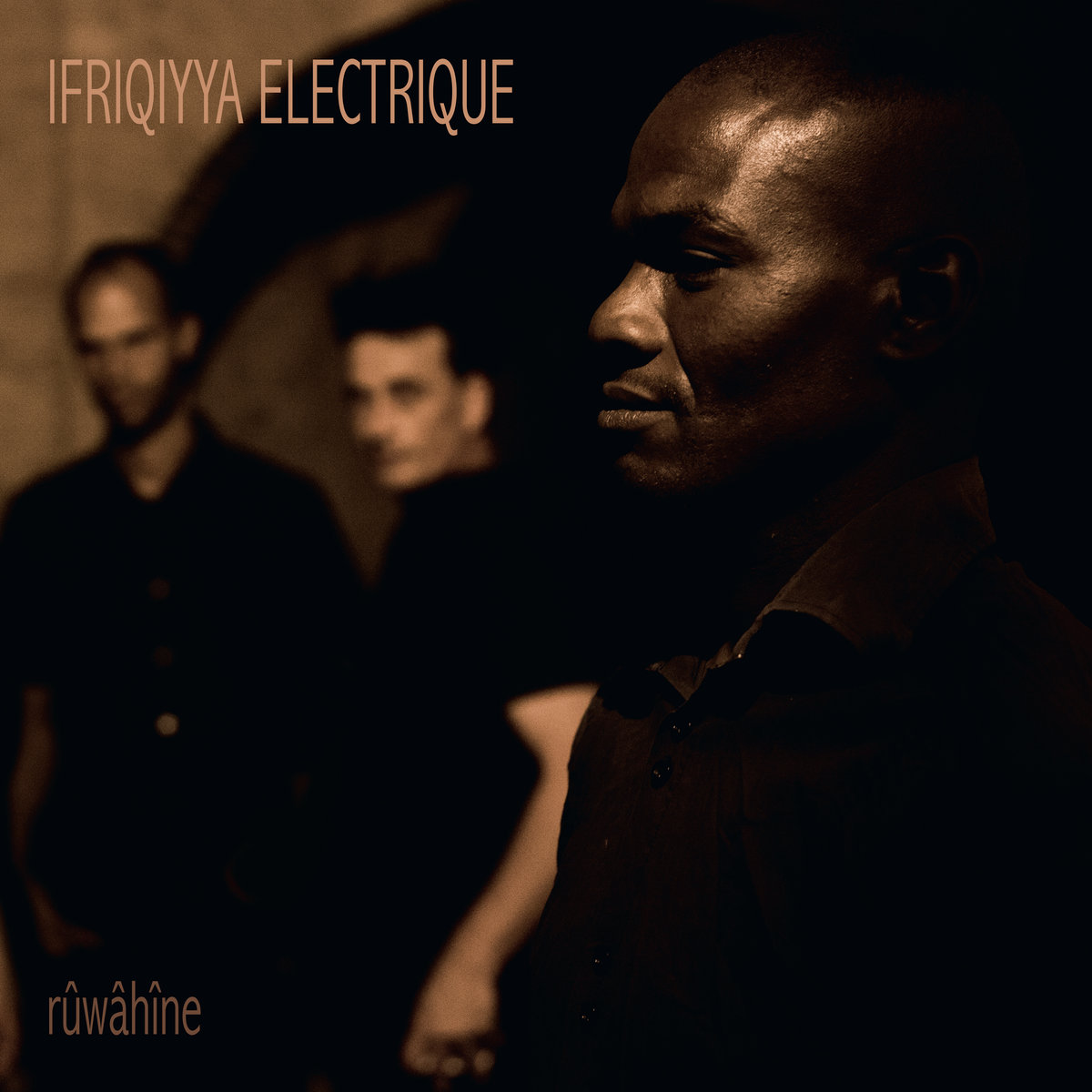
Ifriqiyya Electrique - Rûwâhîne


Sufi trance musicians and rituals – from the depths of the Tunisian desert – in conversation with post-industrial sonics. 


‘No theatre or stage or audience. The rûwâhîne have possessed and contorted the bodies of the Banga. Teenagers leap to the floor, their legs arched and tense, glaring transfixed [while] girls dance wildly, … accelerating the rhythm of the hand percussion’ 


‘This is, then, most certainly not a “world music” project (still less an ethnomusicological one), but a wild process of improvisation and re-composition that brings traditional instruments face to face with computers and electric guitars… [My work] is driven towards elevation, sweat, blood, poetry and tears – not to some pretty colour postcard’ — François R. Cambuzat / Ifriqiyya Electrique


1. Laa la illa Allah 02:49 

2. Qaadrii - Salaam Alaik - Massarh 07:32 

3. Mawwel 01:09 

4. Zuru el Haadi - El Maduulaa - Maaluuma 06:34 

5. Stombali - Baba ‘Alaia 03:39 

6. Annabi Mohammad - Laa la illa Allah - Deg el bendir 09:15 

7. Lavo - Baba Marzug - Sidi Saad - Allah 04:46 

8. Arrah arrah abbaina - Bahari - Tenouiba 05:42 

9. Sidriiya 02:05


octubre 11, 2022

Hanine y Son Cubano - Arabo-Cuban - 2002


tracks list:

01. La llave - Albi Wa Muftaho

02. Afro - Ana Wel Azab We Hawak

03. Cuando - Imta Ha Ti'raf

04. El mambo de los recuerdos - Aala Bali

05. El huerfanito - Ya Habibi Ta'ala

06. La flor - Ya Zahratan Fi Khayali

07. El gallo - Il Hilwa Di

08. El día feliz - Kan Ajmal Yom

09. Pot pourri - Medley

10. Descarga

11. El mambo de los recuerdos - Aala Bali (remix Michel Eléftériades)


octubre 03, 2022

Boulpik - Konpa Lakay - 2014


Boulpik is a group that was formed in Port-au-Prince a dozen years ago that, since its inception, have given continuity to a musical tradition that emerged in the streets, as entertainers in squares and private events, recalling times when street orchestras They performed a multitude of pieces, but also a few years when tourism came to the island and today is rare to find. Boulpik mainly interprets konpa, a danceable sound that appeared in the fifties of the last century, rhythms with an artisanal texture that would quickly spread throughout the streets and that would become the sound soul of the entire island, the konpa lakay.

"Chèche lavi", "search for life". An expression in Haitian Creole that sums up the phrase "to look for a way to make a living", and suggests that life is not something that comes easily, but that it is a goal to be sought (as if you were on a search for a lost prize or buried treasure). Thus, Franckel Sifranc and his fellow musicians from Boulpik are looking for lives. Nothing particularly extraordinary has happened in their careers. In fact, his past is very similar to that of millions of other Haitians. Except they have a gift for music.

The story of Boulpik is the story of Franckel Sifranc (founder of the group), which began around fifty years ago, in La Grand Anse, a remote region of the Republic of Haiti, to the west. Thinking back to his childhood in the seaside town of Dame-Marie, he recalls the sounds of the "ti djaz" (little jazz): acoustic bands of amateur musicians who were called that to distinguish themselves from the more prestigious "gwo djaz" (big jazz). , bands with their modern instruments and amplifiers). The ti djaz played at local gatherings using rudimentary local instruments: the Matamò six-string guitar (its name is a reminder of the strong influence of the Trío Matamoros on the genre), the trè (a guitar of Cuban origin with three double strings) or even a banjo. The instrumental formation was completed by the strings of a double bass or a maniboula (a plucked idiophone based on the Cuban marímbula) and percussion: drum, maracas and scratch board or kaskayèt (keys) to accompany the vocal choir that responded to the lead singer.

As a child growing up in a family dedicated to agricultural work, Franckel had no idea that one day he would use those tools to "search for life." A few years later, like thousands of other rural dwellers, he was forced to move from the countryside to the capital, Port-au-Prince, whose population has grown from 500,000 to almost 3 million in the last fifty years. Adolescent, Franckel arrived in the city in the late 1970s, invited by an older brother. Installed in a modest neighborhood in the lower part of the city, he found work as a "handyman" and began to explore the capital, meeting the many musicians who provided the soundtrack of the city night and the entertainment of the tourism that at that time era filled the Caribbean island. Franckel became a member of the Ti Okap band. Today, all that remains of the group's career are the name of its leader, the memories of his popular performances in different hotels, and the band with which Franckel learned to sing and play maracas and kaskayèt.


Later, in 1980, he decided to form his own group: Frère Desjeunes. He continued to perform with them for more than twenty-four years, despite frequent interruptions caused by the endless socio-political upheavals that rocked the country. It was in 2004 when Franckel proposed a new approach to the band, becoming Boulpik and incorporating five young musicians who he considered more talented and committed than his predecessors.

Since Franckel started, the situation in Haiti has changed radically. From the time when musicians used to perform to earn a little extra money, today music is his means of work. Unlike many others, Boulpik's musicians have refused to emigrate (always a temptation for life-seekers). They continue to believe in their lucky stars and show no signs of defeat or self-pity, but rather an unwavering determination to trust in happiness and good vibes. These are other times and Boulpik do not give up singing to peace, love and their country, dignity in the face of adversity.


tracks list:

01. Alakanpay

02. Boulpik Twoubadou

03. Si Lavi Te Fasil

04. Nèg Dafrik

05. Karol

06. Lakay

07. Rele

08. Jeremie

09. Twa Zan

10. Je Reviens Chez Nous

11. Souvenir d'Afrique

12. Lavi a Di


Fuente: Vecinos: Boulpik – Nèg Dafrik"


octubre 02, 2022

TRADITIONAL MUSIC FROM ETHIOPIA


Recorded in Ethiopia by Jean L. Jenkins, Horniman Museum, London

 ETHIOPIE MUSIQUE TRADITIONNELLE

Enregistrements de Jean L. Jenkins


Disques Vogue, 1967, collection Musée de l'Homme, CLVLX - 164

Jean Jenkins (1922-1990) was an American ethnomusicologist who worked mostly in England. She travelled a lot especially in Ethiopia where she recorded extensively. The music of this LP was recorded in 1964 and 1966. She is known (among other publications) for a very good series called ''The Music of Islam'' with 6 LP made of field recordings in company of Olsen Poul Rovsing and published by Tangent in 1976.

Here we have a good (although partial) image of the musical diversity in Ethiopia. Apart from the people in Center Ethiopia who speak Semitic languages and are the majority of the inhabitants there are many other populations speaking Cushitic languages and other types of languages. Singing is the main way of expression for Christians, Muslims, Jews and Animists. We can hear also the big lyre called bagana (played by King David on the cover), the masinqo and washint. The sanza-like toum is played by the Anouak people near Sudan (track A7). Track A5 is a surprising love song from Harar sung by 2 young girls reminding me of the way some Bulgarian women sing. Jenkins says that this kind of singing is unique to the Adare people. Track B1 is also a surprise with an ensemble of 14 players each of them blowing one tube; that way of playing preceded probably the panpipes played by one musician and is still in use in other countries like Tchad.

After listening to this record I think you would ask for more; so check Topic where you can get CDs with some of Jenkins' work.


Fuente: https://tradandfolk.blogspot.com/2021/06/